Christchurch pharmacist Kerryn Stokes is operating in one of the most pressured parts of New Zealand's small business landscape.
Pharmacy is no longer just about scripts, shelves and over-the-counter medicine. Independent pharmacy owners are now facing pressure from large-format retailers, staff shortages, rising labour costs and an increasingly stretched primary healthcare system.
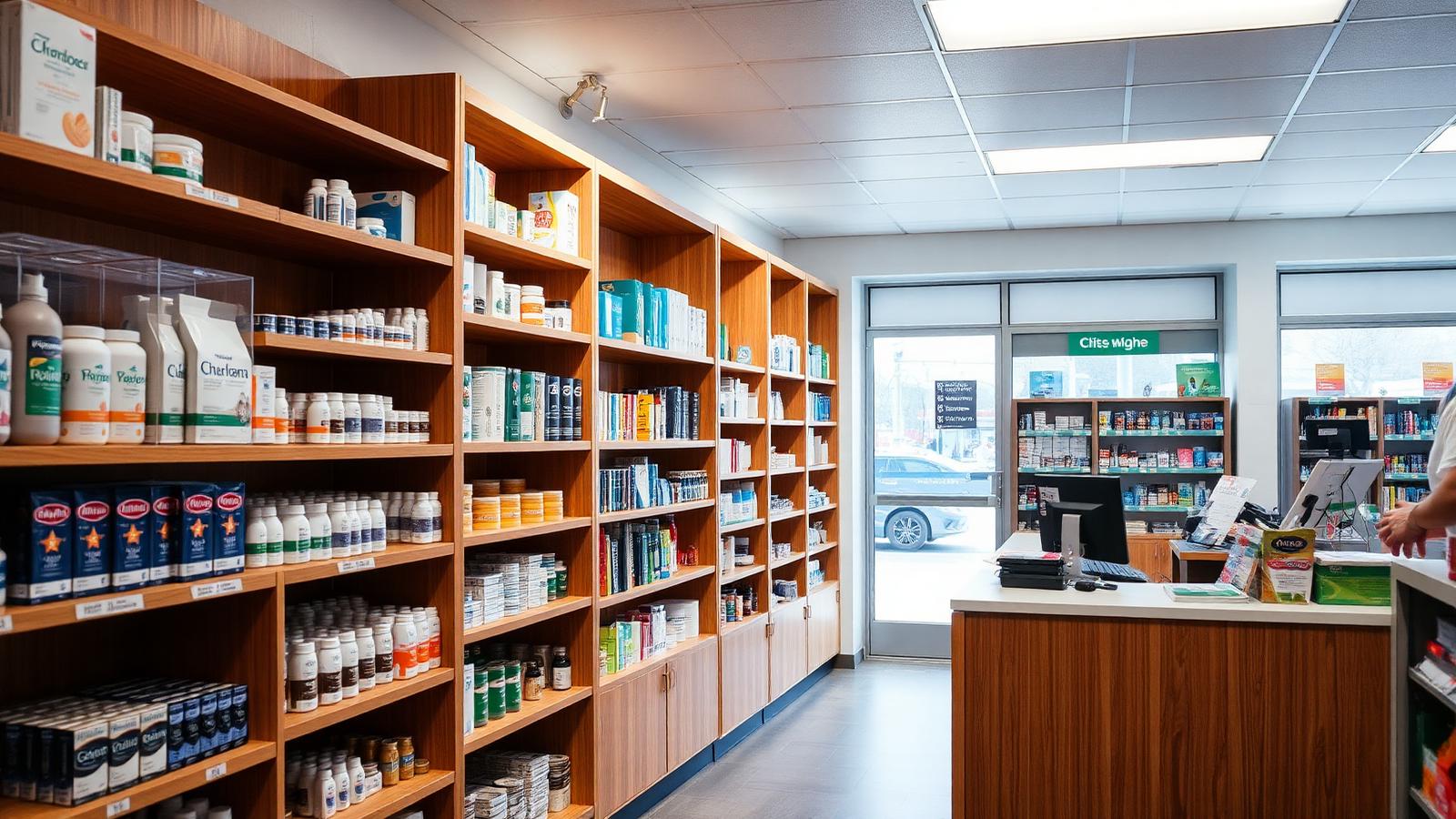
Stokes owns Life Pharmacy Barrington and Barrington Medical Centre Pharmacy in Christchurch. In an interview with NZBusiness, she said big-box retail disruption is one of the major challenges facing the sector. But rather than trying to beat larger competitors on price, her response has been to double down on service and community connection.
Her view is blunt: independent pharmacies cannot always win a price war. As she put it, "we can't compete on price."
That statement says a lot about the fight many Christchurch small businesses are now in. The question is not just whether they can sell a product. It is whether they can offer something big retailers cannot easily copy.
For Stokes, that has meant building the pharmacy into more of a local health hub. Her businesses now provide a higher level of primary healthcare, including thousands of vaccinations and some specialist pharmacist services that customers may otherwise struggle to access quickly through traditional healthcare channels.
The shift is significant. Pharmacies are increasingly filling gaps left by an overloaded health system. Customers may come in for scripts, but they are also looking for advice, treatments, convenience and reassurance.
Stokes told NZBusiness her pharmacies are doing 23 percent more scripts than the year before, which she linked to a focus on high service levels for the local community. The business has also moved into convenience-based delivery, including Uber Eats orders for items such as electrolytes and loperamide for customers who are too unwell to come in.
But the growth story has another side.
Labour costs remain a major pressure, especially for a business group with 12 pharmacists in a market where pharmacists are already in short supply. Stokes said the business has focused less on worrying about finding staff and more on keeping the people it already has.
That is a revealing detail. In a tight labour market, retention becomes a business survival strategy. Training existing staff, developing internal skills and keeping good people may matter just as much as attracting new customers.
Stokes has also acquired two businesses and increased group revenue by almost 70 percent. She credited further business education with helping her make decisions more confidently, saying she had moved from a more passive role into a stronger leadership position.
Her business mission is simple: "walk in with a problem, walk out with a solution."
That line captures the real investigation behind the story. Independent pharmacies are being pushed from several directions at once: retail competition, workforce shortages, rising costs and gaps in healthcare access. The ones that survive may not be the ones with the cheapest products. They may be the ones that become too useful to lose.
For Christchurch, that matters. A local pharmacy is not just a shop. It can be part retailer, part healthcare access point, part community service and part small business under pressure.
The real question is whether the current system recognises how much work independent pharmacy owners are now carrying.