The Lyttelton Tunnel will close overnight for three nights next week while fire safety systems are tested, creating planned disruption on one of Christchurch's most important transport links.
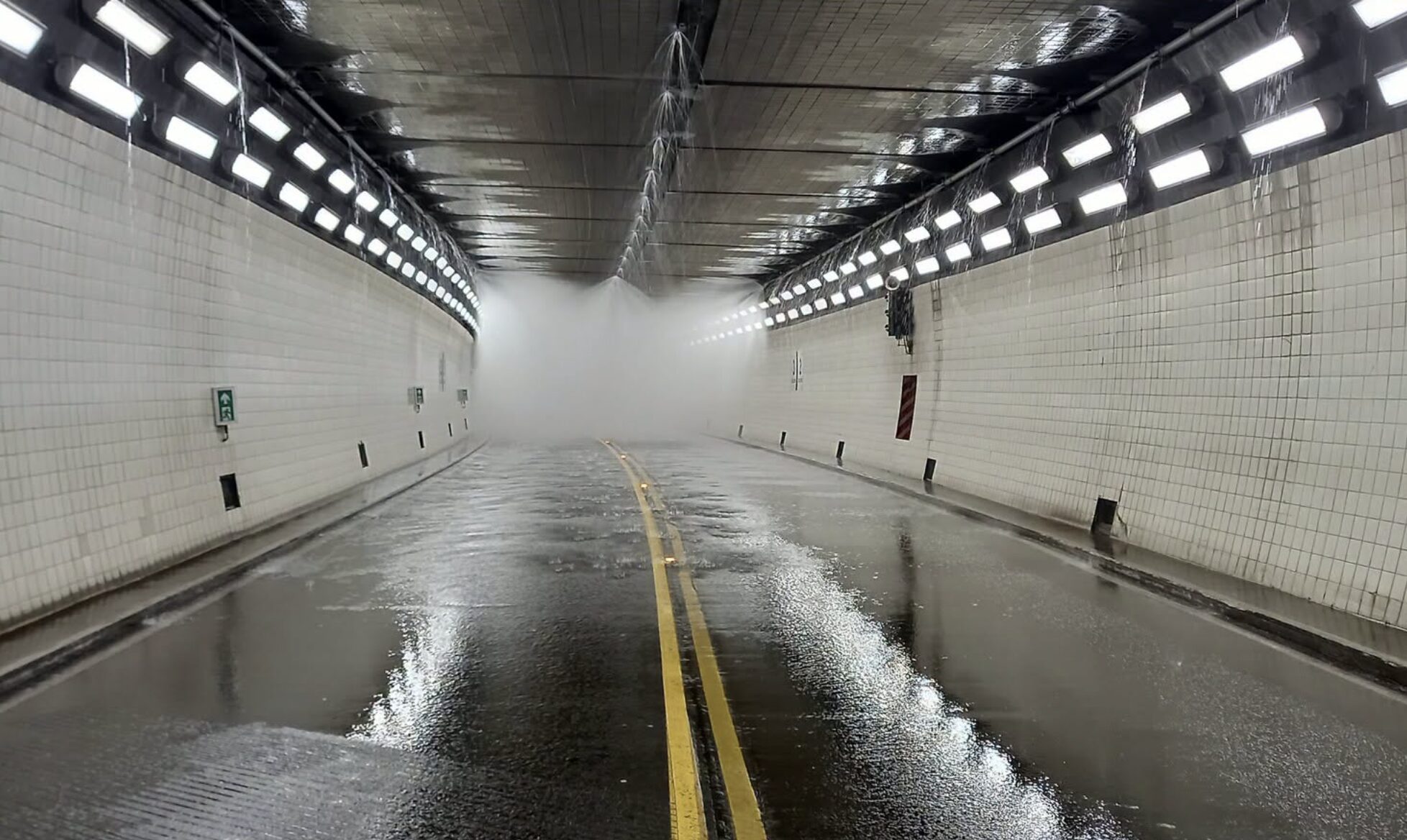
NZ Transport Agency Waka Kotahi said the State Highway 74 tunnel would close from Tuesday 14 July to Thursday 16 July, between 11pm and 5am each night. The work is for deluge testing, which checks the tunnel's fire protection system. NZTA said the tunnel would open on the hour to clear queued traffic.
The timing means the disruption is planned for late night and early morning rather than peak commuter hours, but it will still matter for port workers, shift workers, freight operators, emergency planning, hospitality staff, airport travellers, health workers and residents moving between Christchurch, Lyttelton and the harbour settlements. For those people, an overnight closure is not a minor footnote. It can change rosters, travel times and the practical decision about which side of the hill to be on before 11pm.
NZTA's suggested detours are familiar but not equivalent. People travelling between Christchurch and Lyttelton can use Cashmere, Dyers Pass Road and Governors Bay Road, or travel through Sumner, Evans Pass Road and Sumner Road. The agency said the Sumner route is the longer of the two. Both alternatives require more care than a tunnel trip, especially at night and in winter conditions.
This is a good example of transport maintenance that is easy to resent but hard to avoid. The Lyttelton Tunnel is not just a convenience for commuters. It is a critical piece of port, freight, emergency and community infrastructure. Fire protection in a tunnel is a high-consequence system. Testing it requires taking space, time and traffic control seriously because a failure during a real incident would be far more disruptive than a planned overnight closure.
The deluge system is designed to help control fire conditions and protect people while emergency services respond. Tunnel fires are different from open-road fires because smoke, heat, visibility and access can become dangerous quickly in a confined space. For a route carrying private vehicles, heavy vehicles, port traffic and regular buses, the maintenance standard needs to be higher than a simple visual check.
There is also a communication challenge. Planned closures often fail at the point where people assume they will remember the date, then discover the closure only when they reach the approach road. The practical advice is to put the closure dates into calendars now if next week's work or travel depends on the tunnel. Businesses with staff crossing the hill should make sure rosters and late-night finish times take the closure into account.
For Lyttelton residents, the most important detail may be the hourly opening. That gives a route through, but it does not mean travel will be normal. A driver arriving just after a clearing window may face a long wait. Anyone connecting to a ferry, flight, shift start, hospital visit or freight appointment should not plan to arrive at the last minute.
The article should be read as a practical Christchurch transport notice rather than a crisis. The tunnel is staying in service during normal daily hours, the closure is limited to three nights, and the purpose is safety testing. But because the tunnel carries so much of the city's link to the port and harbour, even a planned overnight closure deserves clear notice.