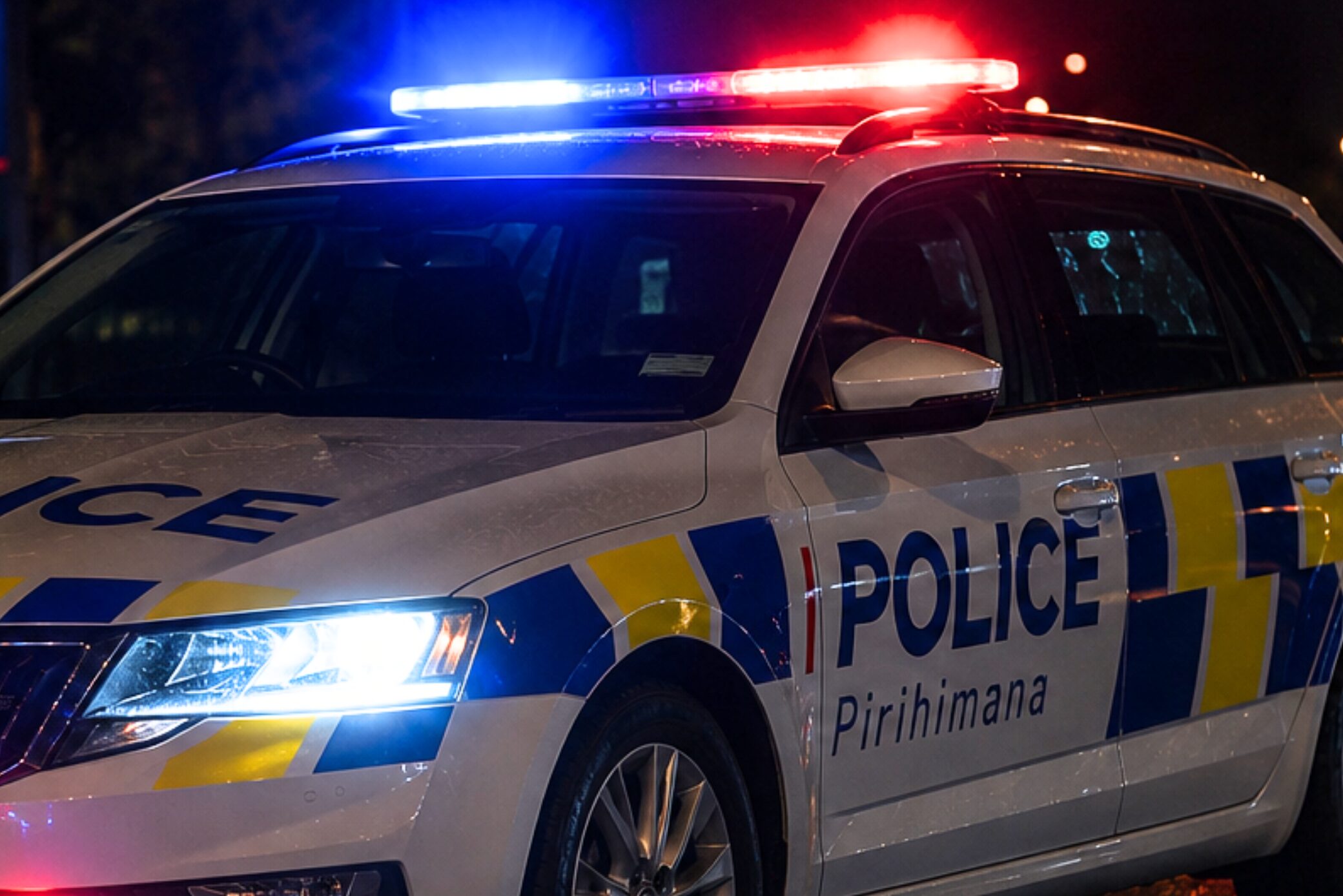
Police are seeking public help after a person fishing beside the Avon River in Christchurch was attacked by three men.
The victim was fishing near the corner of Retreat Road and Avonside Drive at about 8.30pm on Friday, 17 July, when three men approached and assaulted them. A police spokesperson said the victim required medical attention. The offenders left shortly afterwards in a dark-coloured sedan believed to be a Peugeot.
Police asked anyone who witnessed the incident, or who had information about the offenders, to come forward. People with CCTV cameras covering the area at the relevant time were asked to review their footage and pass on any images of the offenders or the vehicle. Information can be provided through 105 by phone or online, using reference file number 260720/6810.
The incident is several days old, but the appeal is current. That timing matters because police often seek footage after initial enquiries show that a vehicle or route may be identifiable. Private CCTV, dashcam video and doorbell cameras can become important even when the owner did not realise anything serious had happened nearby. A dark sedan moving around Avonside at that time may have seemed ordinary until police linked it to an assault.
The location also matters. The Avon River corridor is used for walking, cycling, fishing and informal recreation. It runs through neighbourhoods where people expect to be able to spend time outdoors without being targeted. An attack on someone fishing is different from a dispute inside a bar or a planned confrontation. Based on the public details available, the victim appears to have been engaged in a quiet activity in a public place.
Police did not provide a description of the offenders in the source report. That creates a careful reporting boundary. The safe facts are the location, time, number of offenders, the vehicle description, the medical-attention detail, the CCTV request and the file number. Anything beyond that would risk inventing details that police have not released.
For nearby residents and businesses, the most useful response is practical. Anyone with cameras facing Retreat Road, Avonside Drive, nearby intersections or vehicle routes on the evening of 17 July should check footage from around 8.30pm and the minutes either side. Even partial images can help if they show the sedan's direction of travel, a plate fragment, occupants, clothing, or the time the vehicle passed.
The appeal also highlights how local safety depends on ordinary records held by households and businesses. Police investigations increasingly rely on small pieces of visual evidence spread across many private systems. A camera that captured only headlights, a turning movement, or a dark car leaving an area can still help build a timeline when combined with other footage.
The public should avoid speculation, especially on social media, because mistaken identification can damage innocent people and distract investigators. The most responsible step is to pass material directly to police through the official reporting channels and reference the file number.
Christchurch's river spaces are part of daily life, not fringe areas. People fish, walk home, ride bikes and meet friends along them. When an assault happens in that setting, the response needs both public vigilance and accurate information. The police appeal is clear: review footage, share what is relevant, and let investigators test the evidence rather than trying to solve the case online.