Christchurch residents are heading into a fresh waste debate, with the city council preparing public feedback on proposals that could change how glass, illegal dumping and unwanted household goods are handled across the city.
Chris Lynch Media reported on 3 July that Christchurch City Council will include three new ideas in its draft Waste Management and Minimisation Plan, alongside two related policies, when consultation opens later in July. The proposals are not yet final decisions. They are options being put in front of residents at a time when the city is trying to reduce landfill waste while keeping kerbside systems practical for households.
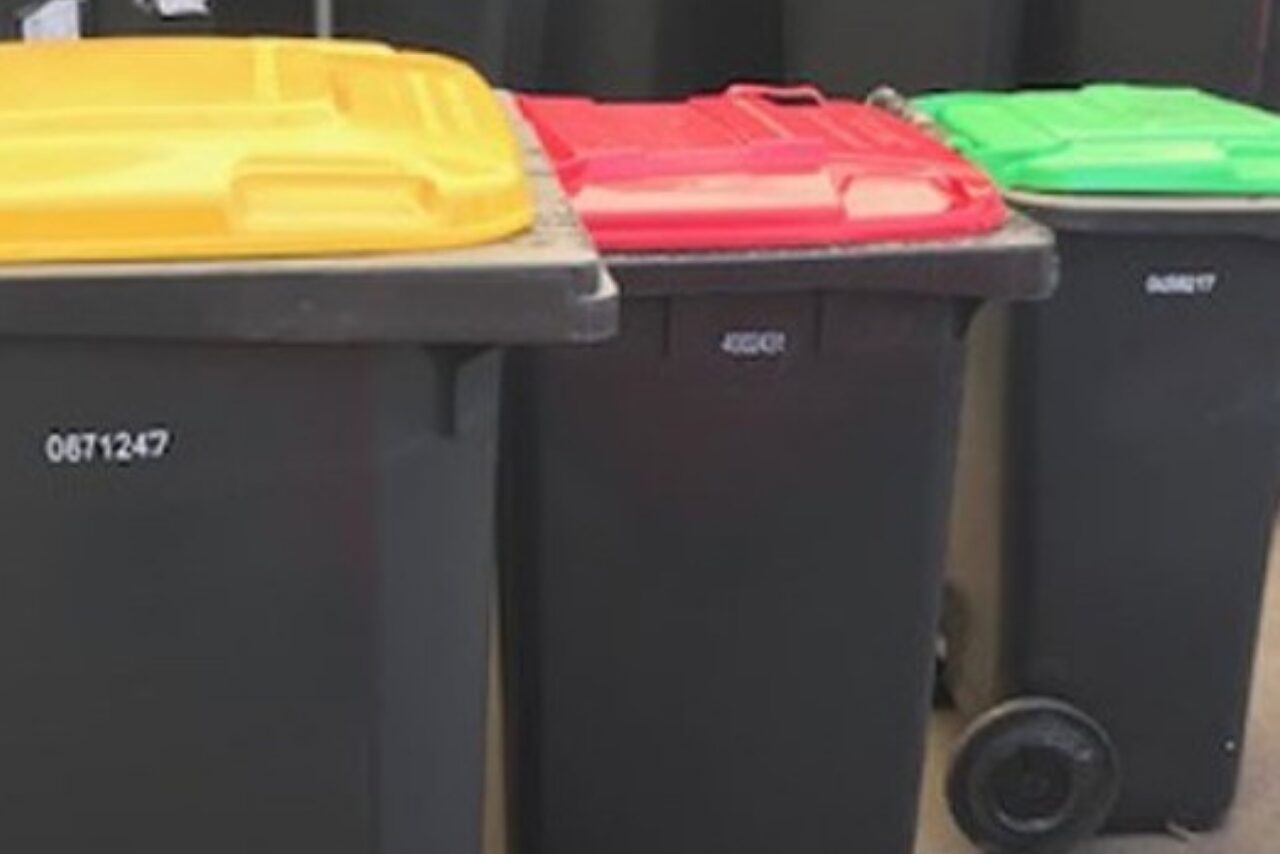
The most visible idea is a separate collection and processing service for glass bottles and jars. The reported model would require an additional 80 litre wheelie bin, similar in size to the small green organics bin, because glass would need to be kept apart and taken to a separate processing stream. That would be a noticeable change on collection day for many households already managing red, yellow and green bins.
The proposal will need careful testing. Separate glass collection can improve recycling quality because broken glass contaminates other recyclable material, but an extra bin also means more trucks, more storage at home and more cost in a city where rates pressure is already a live issue. The public question is not simply whether cleaner glass recycling sounds good. It is whether the environmental gain justifies the operating expense and the extra household burden.
The second idea is a team focused on litter and illegal dumping. Council workshop notes from June also referred to the possibility of a litter team that could provide better data, which suggests officials are looking at the problem as both enforcement and measurement. That distinction matters. Illegal dumping around public spaces, charity bins and rural edges is often discussed only after a mess appears. A dedicated team could help the city understand where dumping is recurring, what material is involved and whether education, enforcement or service design is the right response.
The third idea is a service to help repurpose and extend the life of unwanted household goods. That would move the conversation beyond bins and into reuse. For a city with active community organisations, repair groups, second-hand channels and families under cost pressure, this may be the most socially useful part of the package if it is designed well. The risk is that a reuse service becomes a small add-on without enough scale or clear pathways for goods to be checked, repaired, stored and redistributed.
Christchurch's waste debate is likely to sit at the point where environmental goals meet ordinary inconvenience. Residents generally support less landfill in principle, but support can weaken if the system feels expensive, confusing or unevenly enforced. The council will need to explain not only what it wants to collect differently, but how the changes would be paid for, how service standards would be measured and what would happen in streets, apartment blocks or properties where extra bins are difficult.
The coming consultation is therefore more than a tidy council process. It is a practical test of whether Christchurch can make waste reduction easier to do, not just easier to endorse. The strongest plan will be the one that gives residents clear evidence, honest costings and a system that works on an ordinary wet collection morning as well as it works in a policy paper.