Waimakariri students are putting braided river protection into public view, with young Enviroleaders using a recent Ashley Rakahuri River day to teach peers, remove weeds and advocate for wrybill habitat.
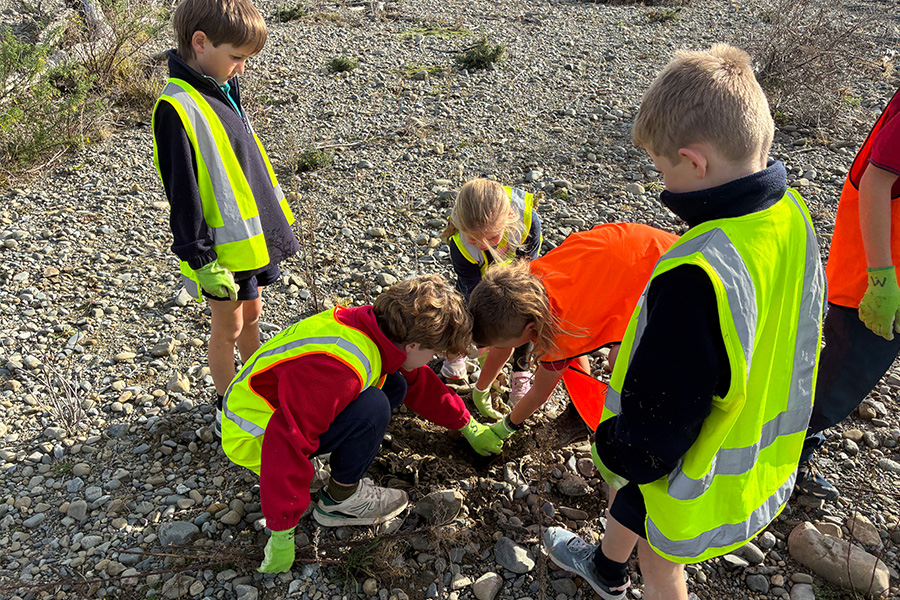
Environment Canterbury published the update on 6 July, saying 25 students and teachers from five local schools took part: Tihiraki North Loburn, Ashley Rakahuri, Cust, Fernside and Clarkville. The day was supported by Environment Canterbury's Enviroschools facilitator Siobhán Culhane and community partners including Environment Canterbury councillor Claire McKay and the Ashley Rakahuri Rivercare Group.
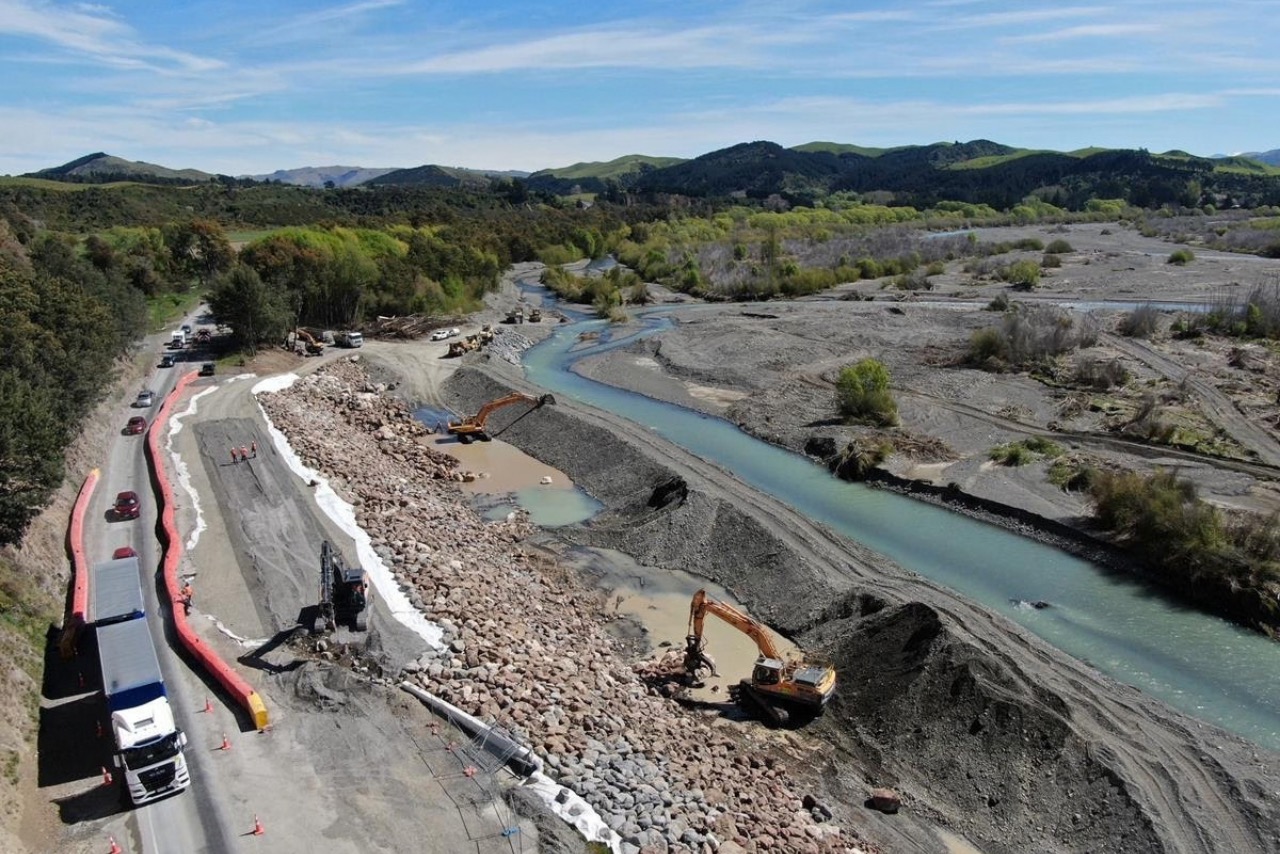
The local value of the story is that it connects a distinctive Canterbury landscape with student decision-making. Braided rivers are part of the region's identity, but they can become invisible in daily life until there is a flood warning, a gravel extraction debate, a bird nesting conflict or a weed-control programme. This student-led event put the river into the centre of learning before a crisis demanded attention.
Environment Canterbury said students led activities focused on freshwater and braided river ecosystems. They explored freshwater scarcity, river invertebrates and species including the wrybill, known as ngutu pare. The wrybill is a native bird strongly associated with braided rivers and is notable for its sideways-curving bill. Its nesting areas are vulnerable when open gravel beds are overtaken by weeds, disturbed by vehicles or affected by predators and people.
That is why the practical work matters. Students removed weeds from a section of riverbed to help restore habitat for native species. Weed control may sound basic, but in braided river systems it can be central. Weeds can change open nesting areas, provide cover for predators and alter the natural movement of a dynamic river environment. Removing them is one way young people can see a direct connection between labour and ecological outcome.
The day also had a civic dimension. Environment Canterbury said Year 3 students from Fernside School had presented a petition calling for a bylaw to restrict four-wheel-drive vehicles and dogs on the river during wrybill's sensitive nesting periods. The petition had been submitted to Waimakariri Council, and Mayor Dan Gordon had visited the school to acknowledge the work.
That is a meaningful detail because it shows children moving beyond awareness into advocacy. Many school environment programmes stop at knowledge: identify a species, name a threat, draw a poster. This one includes students using local-government channels to argue for a rule change. Whether or not the bylaw request proceeds in the form students want, the process teaches that environmental decisions are made through evidence, participation and persistence.
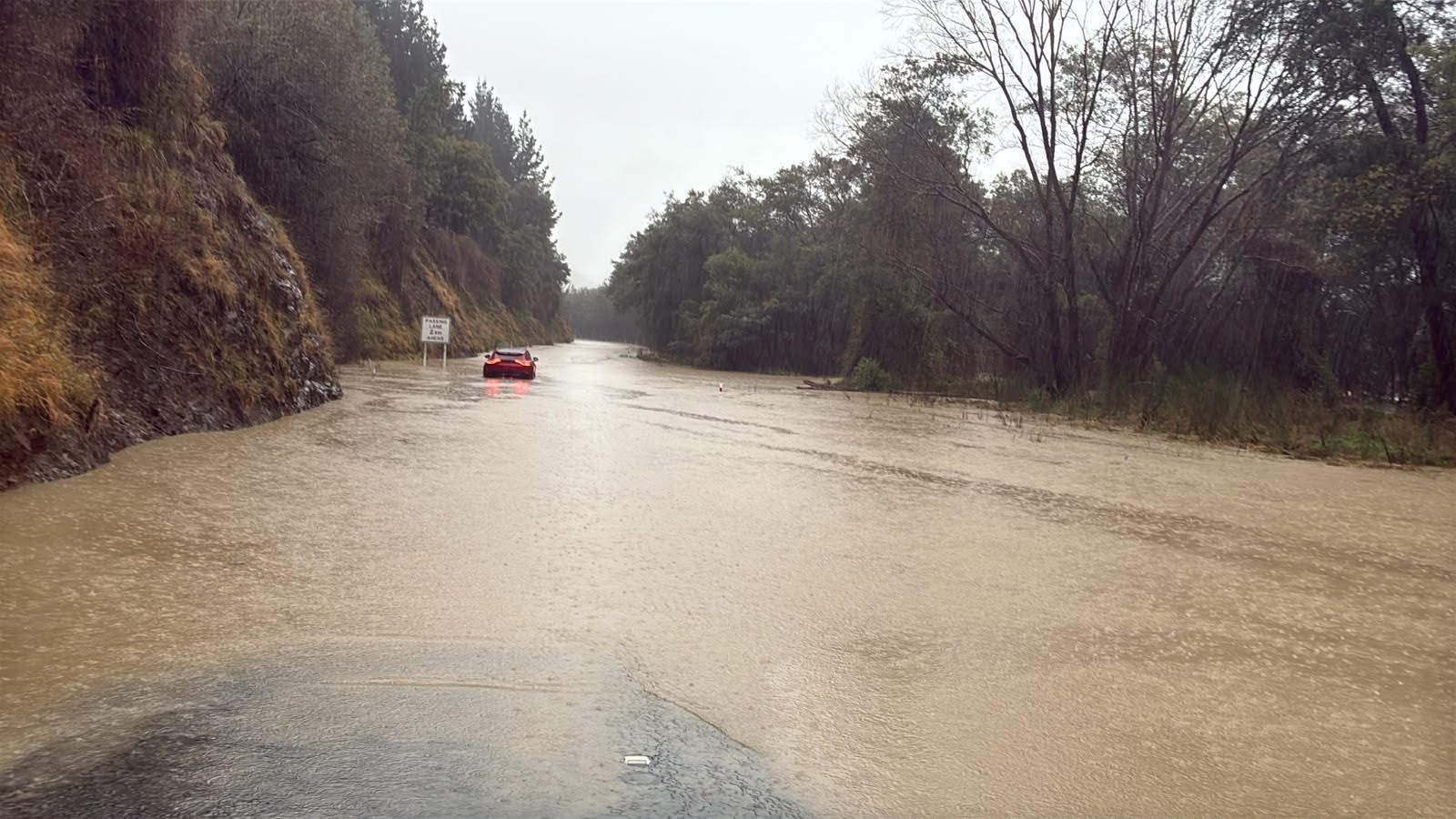
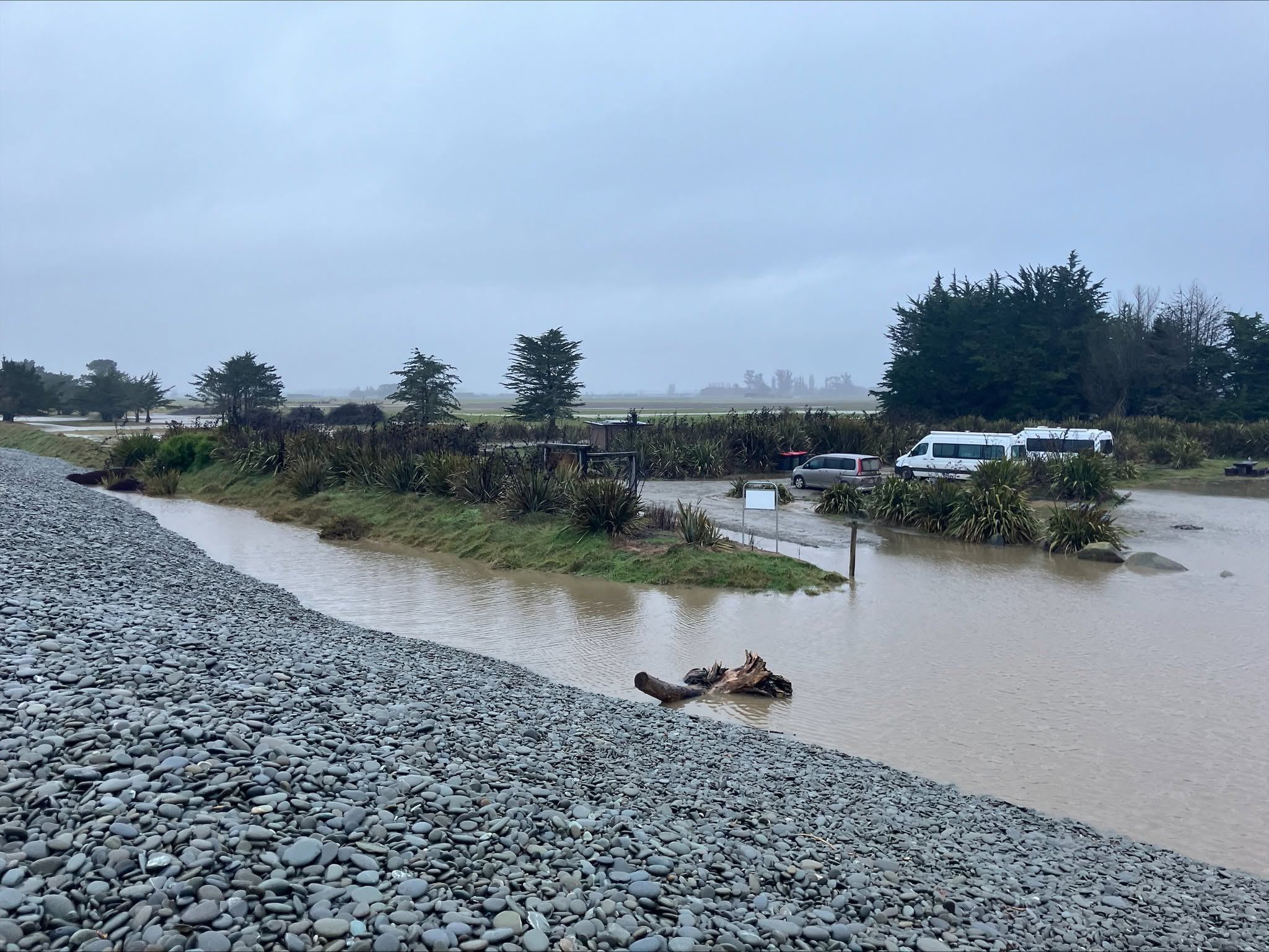
The timing is also useful. Canterbury is dealing with a severe weather event this week, and Environment Canterbury's flood warning work is focused on rivers, rainfall and infrastructure. The Waimakariri student story sits alongside that emergency context as a reminder that rivers are not only hazards. They are habitats, classrooms, community spaces and places where young people learn what care looks like before a flood or closure forces attention.
The article should not overstate what one student day can achieve. A single weeding effort will not solve braided river pressure. A petition from primary students will not replace detailed ecological, legal and community work. But it does show a local pathway: schools, rivercare groups, councils and young people working together around a specific place and a specific species.
For Waimakariri communities, that may be the most useful result. The students are not waiting to be old enough to care about the Ashley Rakahuri River. They are already treating it as a place where their voices and actions belong.