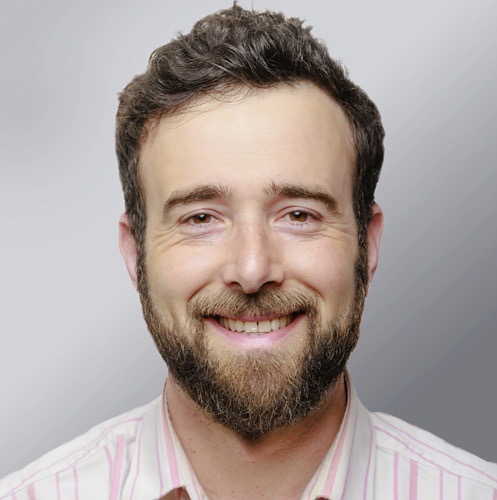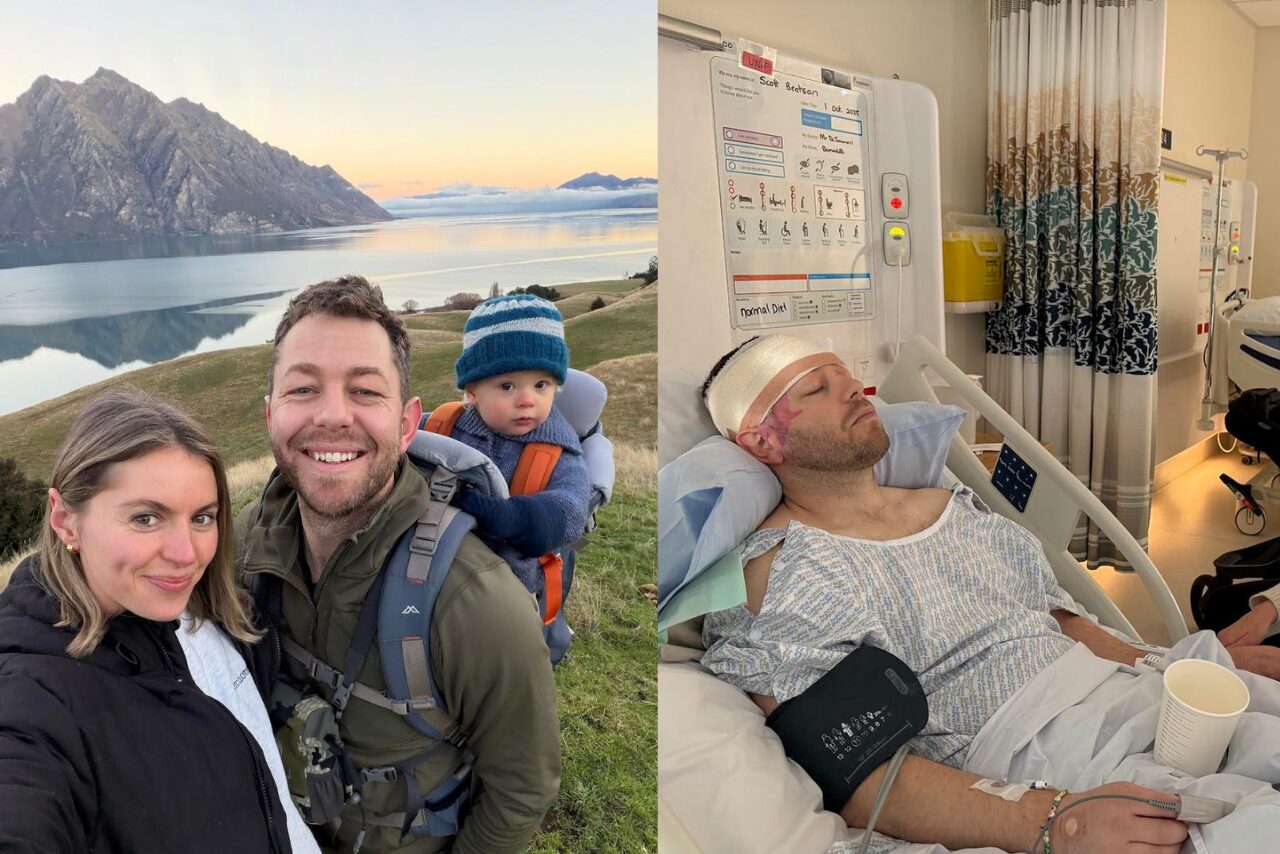
Christchurch Air New Zealand captain Scotty Beatson is preparing for a second brain surgery after a routine concussion check led to the discovery of a brain tumour.
Beatson went to hospital after a heavy knock to the head during a Sunday football game. As a pilot, he needed to rule out concussion before returning to work. Instead, a CT scan revealed a tumour. Beatson recalled being told he was not concussed, but that a brain tumour had been found. He was then told he would not fly a plane again, and that the restriction also translated to driving.
Beatson is 33 and a Christchurch father. The tumour was diagnosed as grade 3 and sat hard against his motor cortex, one of the most sensitive parts of the brain to operate near. His first surgery, in October, aimed for what surgeons call maximal safe resection. Only about 30 percent could be removed because neuro-monitoring feedback showed surgeons were getting close to the cortex and risked permanent damage.
The next surgery is scheduled for 3 August, almost a year after the hospital visit on 4 August last year that changed the course of his life. That timing gives the story its urgency. It is not a general medical profile from months ago; it is a current Christchurch family story leading into a major operation.
The article needs careful boundaries. The public facts come from Beatson's account. This pack should not imply a prognosis, promise a return to flying, or speculate about treatment outcomes. Brain tumours vary widely, and a case involving the motor cortex is clinically complex. The safe focus is on the verified sequence: football knock, concussion check, CT scan, tumour discovery, first surgery, partial removal, and upcoming second surgery.
Beatson's story also shows how quickly professional identity can be disrupted. For a commercial pilot, health clearance is not just a private matter. It is the foundation of the job. A diagnosis that affects flying and driving changes income, independence, family routines and future planning almost immediately. Many people think of illness in terms of treatment dates, but the practical consequences often start the moment a doctor gives the first restriction.
There is also a local sport thread. Beatson was not seeking cancer screening or neurological care when he went to hospital. He was responding to a knock sustained playing football and following the caution required by his profession. That ordinary context makes the discovery more confronting. A weekend game and a routine safety check became the path to a serious diagnosis.
For Christchurch readers, the story sits in the overlap between health, family, work and community sport. It is a reminder that medical checks sometimes find problems people did not know were there, and that the shock of diagnosis can be followed by long months of surgery, uncertainty and practical adjustment.
Beatson's reflections on the shock of being told what had been found should be treated with respect, not turned into drama. The strongest public-interest angle is the human reality of a local father and pilot preparing for another operation while living with the consequences of a diagnosis he discovered by chance.
As the August surgery approaches, the relevant public facts are already serious enough without embellishment. Beatson's case is a current Christchurch story about resilience, medical uncertainty and the hidden consequences of a diagnosis that began with what looked like a routine concussion check.