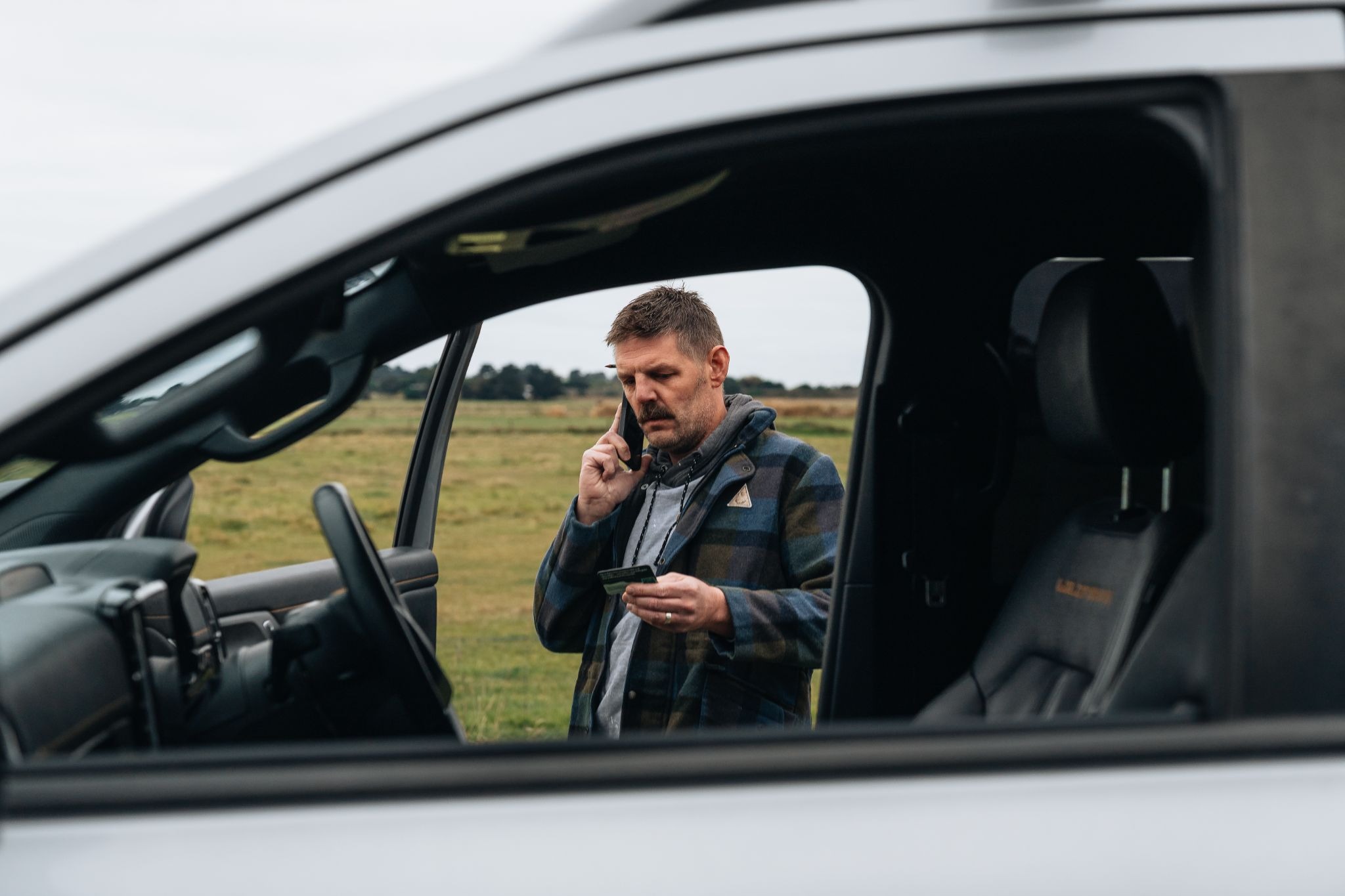
A Christchurch social enterprise is sitting behind a new national rural wellbeing service, giving the city a business and health story with reach well beyond Canterbury. Ignite has joined Farmlands and Rural Support Trust in a three-year partnership that will fund more than 1,500 free sessions for farmers, growers, farm workers and their families. The service is being delivered through Ignite's digital platform and includes access to counsellors, psychologists, career coaches, nutritionists and other wellbeing professionals.
The practical shift is access. Rural mental health support is often discussed as a need, but distance, cost, time away from the farm and privacy concerns can stop people using help even when it exists. The partnership is designed to remove those barriers by allowing people to choose support in person or online. That choice matters in small communities where walking into a waiting room can feel public, and where travel time can turn a one-hour appointment into half a lost day.
For Christchurch, the story is also about the kind of social enterprise work the city can export. Ignite is not simply selling software into a generic market. It is providing the platform layer for a service that connects rural New Zealand to human support. That makes the business angle stronger than a standard funding announcement.
The service is intentionally broader than crisis counselling. The holistic model can include diet, business coaching and financial mentoring as well as mental health support. That breadth is important because stress on farms rarely fits neatly into one box. Weather, debt, staffing, succession, market conditions, family pressure and isolation can all combine.
The timing gives the partnership added weight. The announcement was made around Fieldays 2026, when rural businesses, policy makers and support organisations are already focused on the sector's pressures. Farmlands has more than 80,000 members, while Rural Support Trust operates across 14 regions providing free, confidential one-on-one support.
The test will be uptake and trust. Funding 1,500 sessions is useful, but the service will matter most if people actually use it early, before stress turns into crisis. That depends on clear communication, privacy, regional credibility and simple booking. If the partnership works, it could become a model for how digital tools and trusted community networks share the job of keeping rural people connected to help.