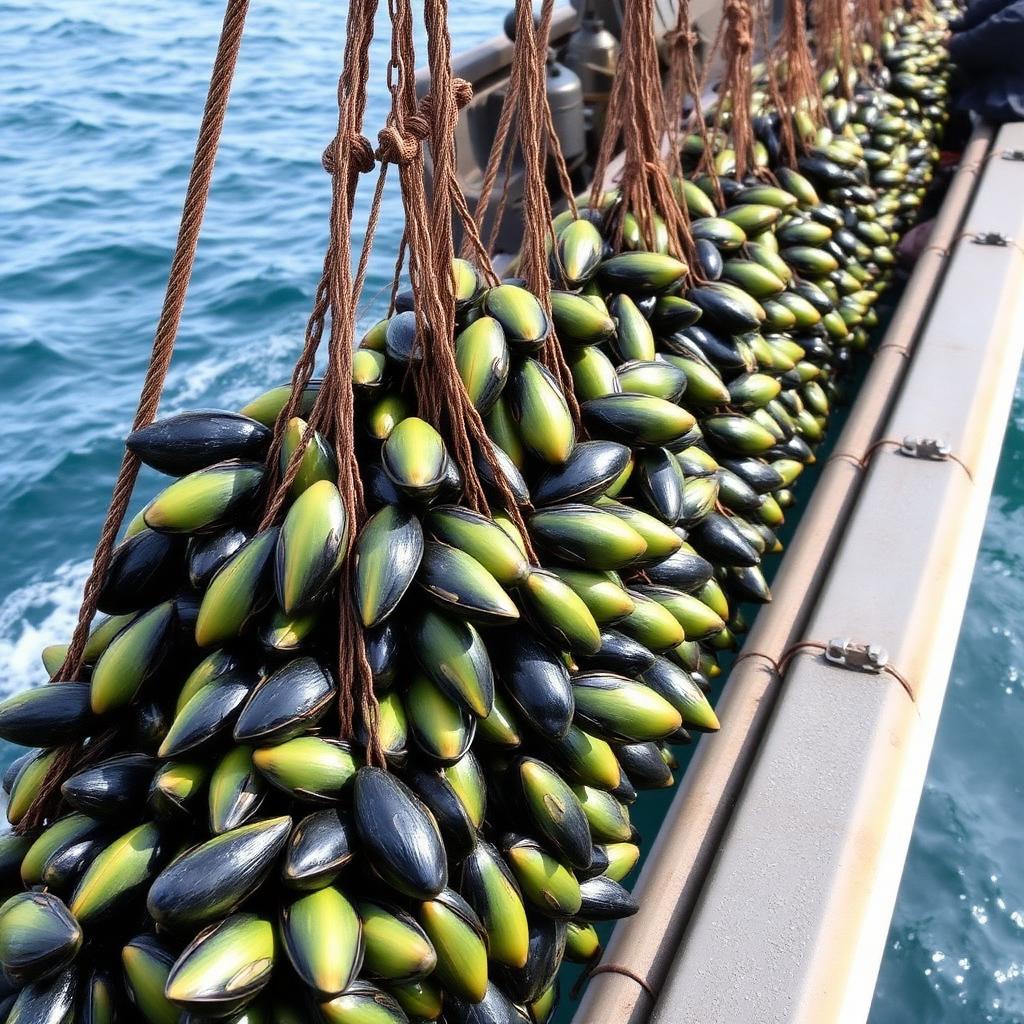
A Canterbury aquaculture company has been fined $24,000 after admitting to illegally supplying hundreds of thousands of live green-lipped mussels from a biosecurity-restricted area to an export operation. The case, which came before the courts in mid-May, highlights the ongoing challenges of enforcing marine biosecurity restrictions in New Zealand's commercial aquaculture industry.
The company supplied the mussels to an exporter despite knowing the harvest area was subject to restrictions designed to prevent the spread of marine pests or pathogens. The supply of live shellfish from restricted areas carries significant biosecurity risk, as live molluscs can harbour organisms that, if introduced to new marine environments, may cause lasting ecological damage.
The $24,000 penalty, while modest relative to the scale of the breach, was noted by the presiding judge as reflecting the defendant's cooperation with investigators and the absence of any prior convictions. Prosecutors had sought a higher penalty, arguing that the financial gain from the sales substantially exceeded the fine imposed.
Biosecurity New Zealand confirmed it was aware of the case and said it continued to work with industry to reinforce compliance obligations. The organisation noted that restricted area notices are not arbitrary impositions but are put in place specifically to manage known or suspected disease and pest risks.
Canterbury's green-lipped mussel industry is a significant contributor to the regional economy, with aquaculture operations along the coastline supporting both domestic supply and export markets. Industry groups said the case was an isolated incident and did not reflect standard practice across the sector.
The company was ordered to pay the fine and court costs. No further criminal charges were laid against individual directors or employees.
"The supply of live shellfish from restricted areas carries significant biosecurity risk that could cause lasting ecological damage." — Biosecurity New Zealand spokesperson