A summer morning in Pāpāmoa became a national tragedy when a landslide tore into a home on Welcome Bay Road, leaving two people dead and forcing nearby residents to evacuate.
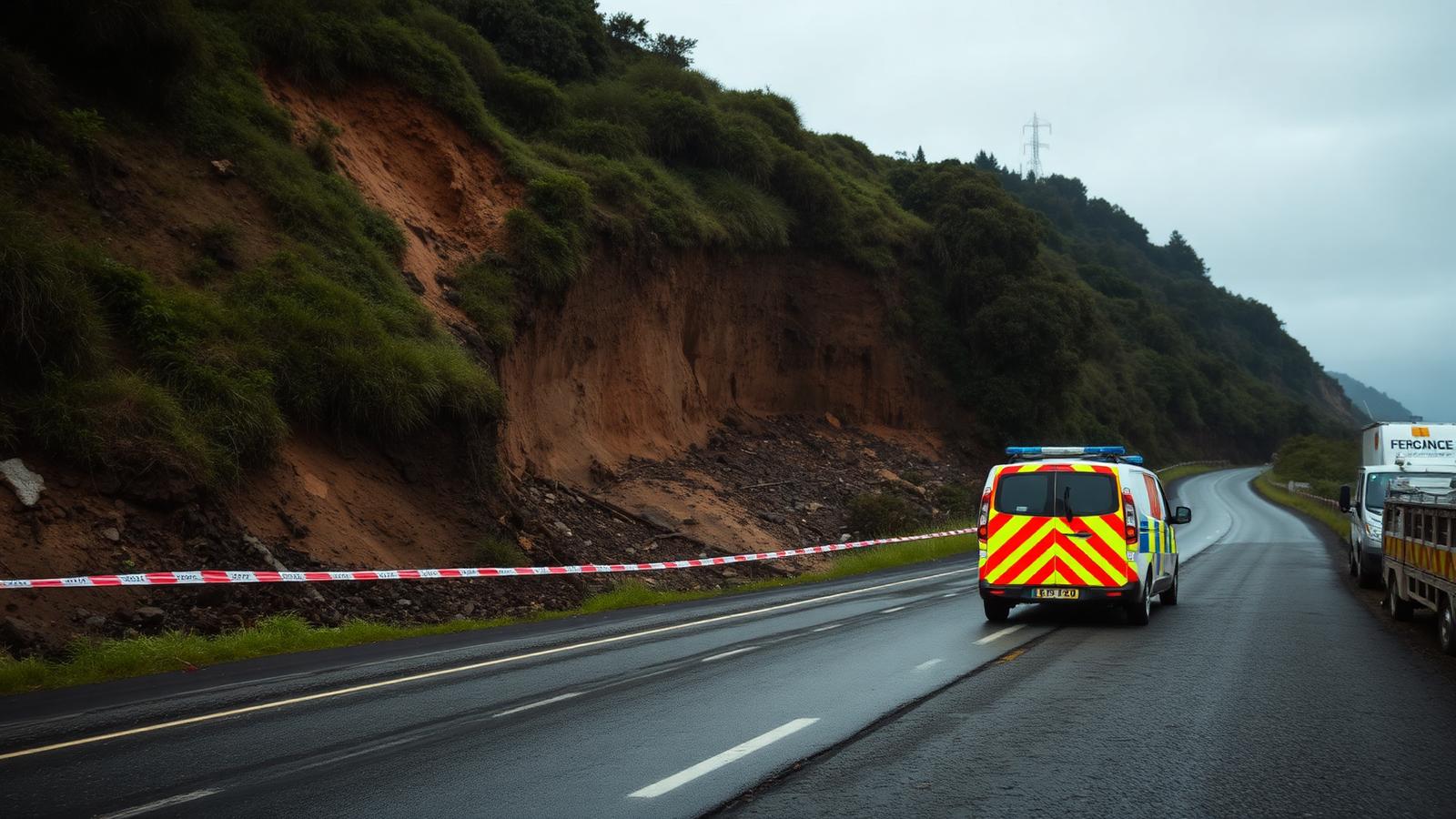
Police were first alerted to the slip shortly after 4am, when the movement of earth extensively damaged a house in the area. As emergency crews arrived, the immediate priority was to protect anyone still in danger, assess the risk of further movement and move surrounding households out of harm's way.
By Thursday evening, police confirmed two bodies had been recovered from the home. One of the victims was confirmed to be a Chinese national, with authorities working alongside the Chinese embassy as part of the formal identification and family support process. The deaths were referred to the coroner.
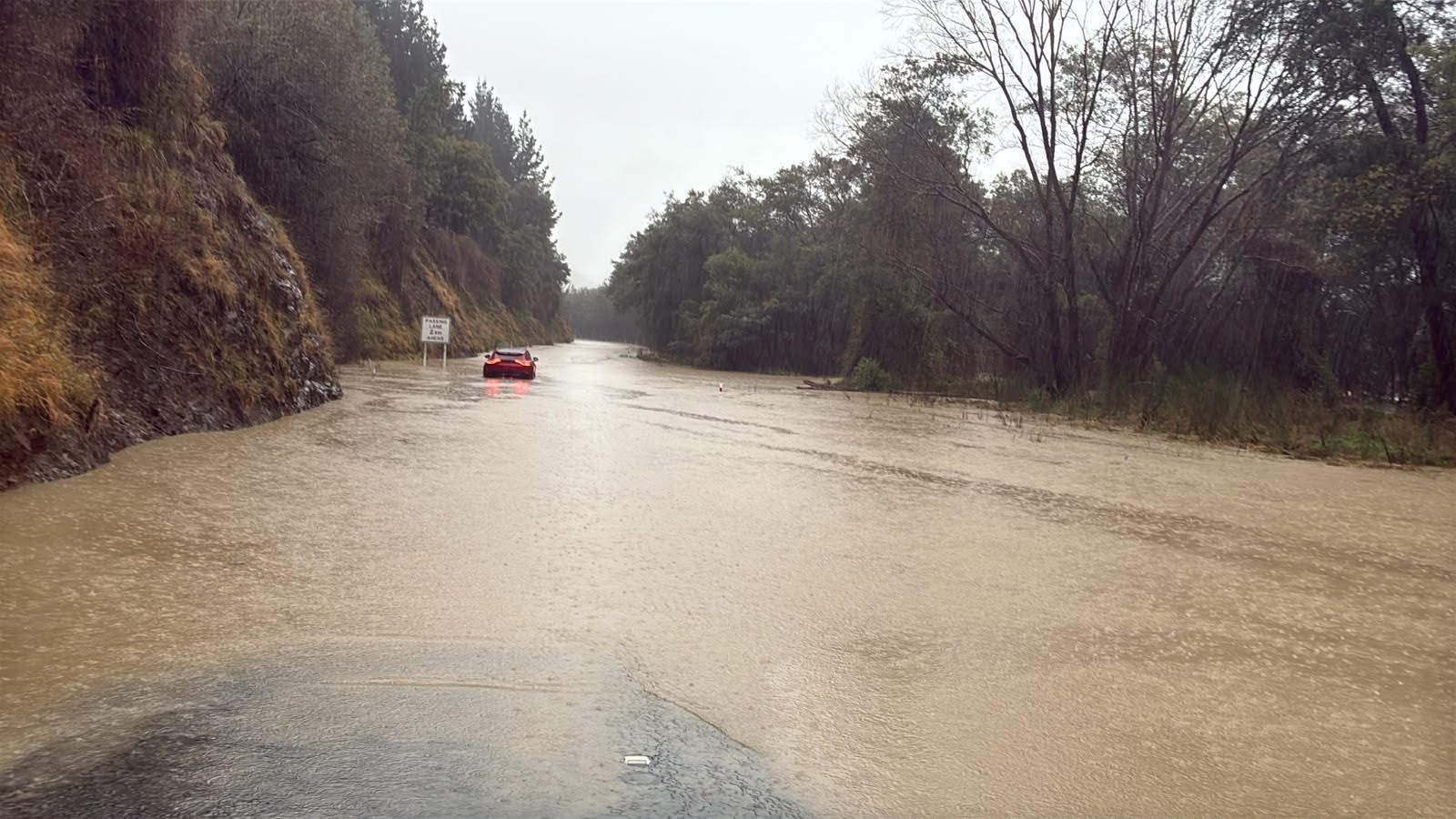
For the Bay of Plenty community, the event landed with the force of something both sudden and deeply familiar. New Zealanders understand bad weather, slips and road closures, but it is different when the damage moves from infrastructure into someone's home. In this case, the weather did not just interrupt travel or flood a street. It claimed lives.
Prime Minister Christopher Luxon described the wider weather emergency as a profound tragedy, acknowledging both the lives lost and the livelihoods disrupted. Emergency Management and Recovery Minister Mark Mitchell also sent condolences to the family of the two victims and thanked the teams involved in the recovery effort.
The response brought together police, first responders, local officials, Defence Force personnel, marae and members of the public. In the hours after the slip, attention shifted between urgent rescue work, community welfare and the practical realities of keeping people safe while the hillside remained unstable.
The tragedy has also raised wider questions about how communities live with weather risk. The Bay of Plenty, like many parts of New Zealand, has coastal settlements, steep terrain, older roads and homes built close to slopes or waterways. Extreme rainfall events expose weaknesses that may have been manageable in ordinary conditions but dangerous when the ground is saturated.
For now, Pāpāmoa is grieving. A house that should have been a place of safety became the centre of a fatal emergency. Around it, neighbours, rescue crews and officials have been left to deal with the emotional and practical weight of a disaster that arrived before sunrise and changed lives in minutes.