A University of Canterbury honours student is using tiny cell signals to explore one of the larger climate questions facing food systems: how plants respond when disease pressure and water stress rise together.
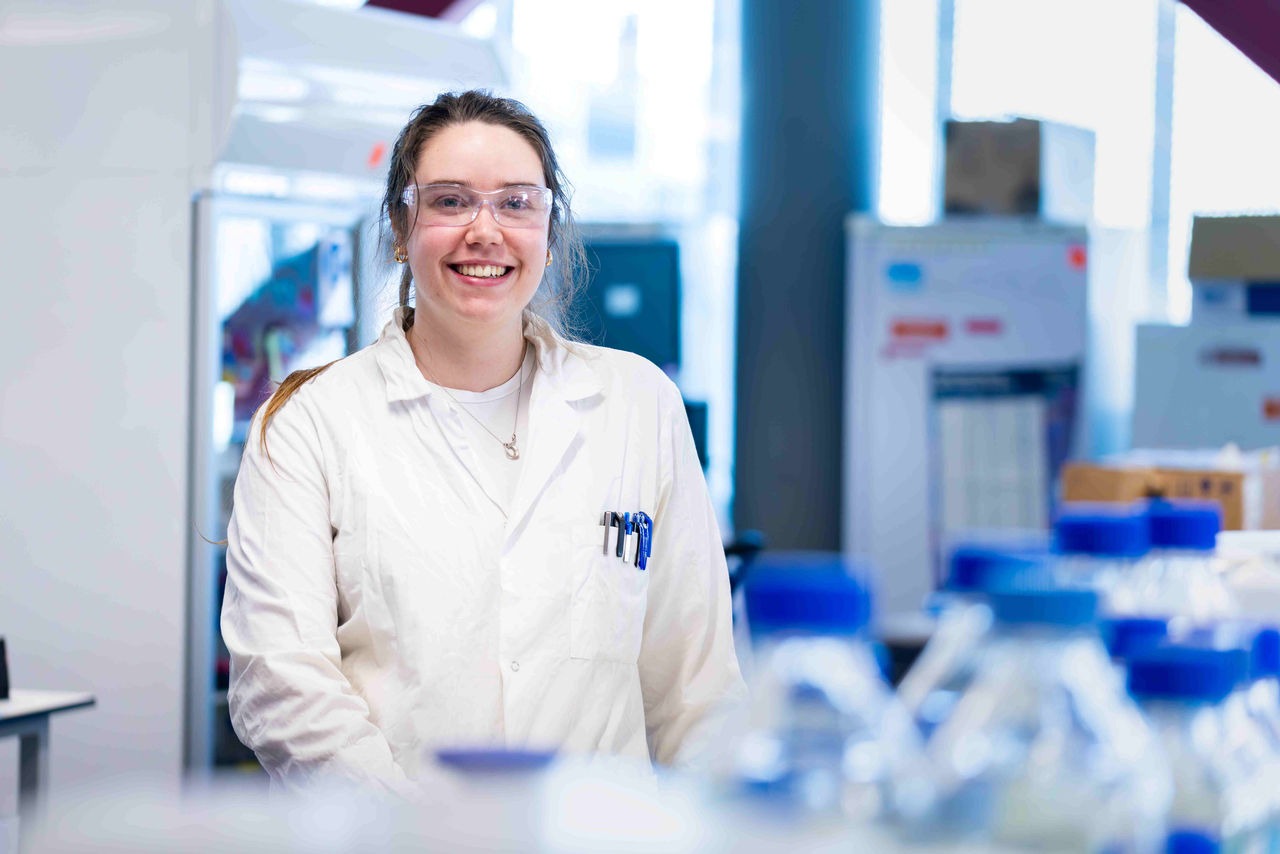
Sophie Jamieson is studying biotechnology after moving from engineering into biological science. Her work uses fluorescent markers to track proteins inside living plant cells, allowing researchers to watch how cells respond when exposed to bacterial stress.
The immediate research is highly technical, but the local relevance is clear. Canterbury's economy is tied to agriculture, food production and environmental change, so stronger plant resilience is not an abstract lab topic.
UC plant biology lecturer Dr Claudia Meisrimler says molecular biology helps connect tiny cellular processes to wider challenges in plants, humans and animals. The university says students are also working on agricultural biotechnology, sustainable food production and climate resilience projects with research and industry partners.
Jamieson's next step could take the work offshore. She is exploring a PhD opportunity with a leading plant-science centre in Belgium, while still working in collaboration with New Zealand researchers.
For Christchurch, the story is another reminder that the city's research pipeline is not only about patents or start-ups. Sometimes it begins with a student watching cells move under a microscope, then asking how that knowledge could help crops withstand a less predictable climate.