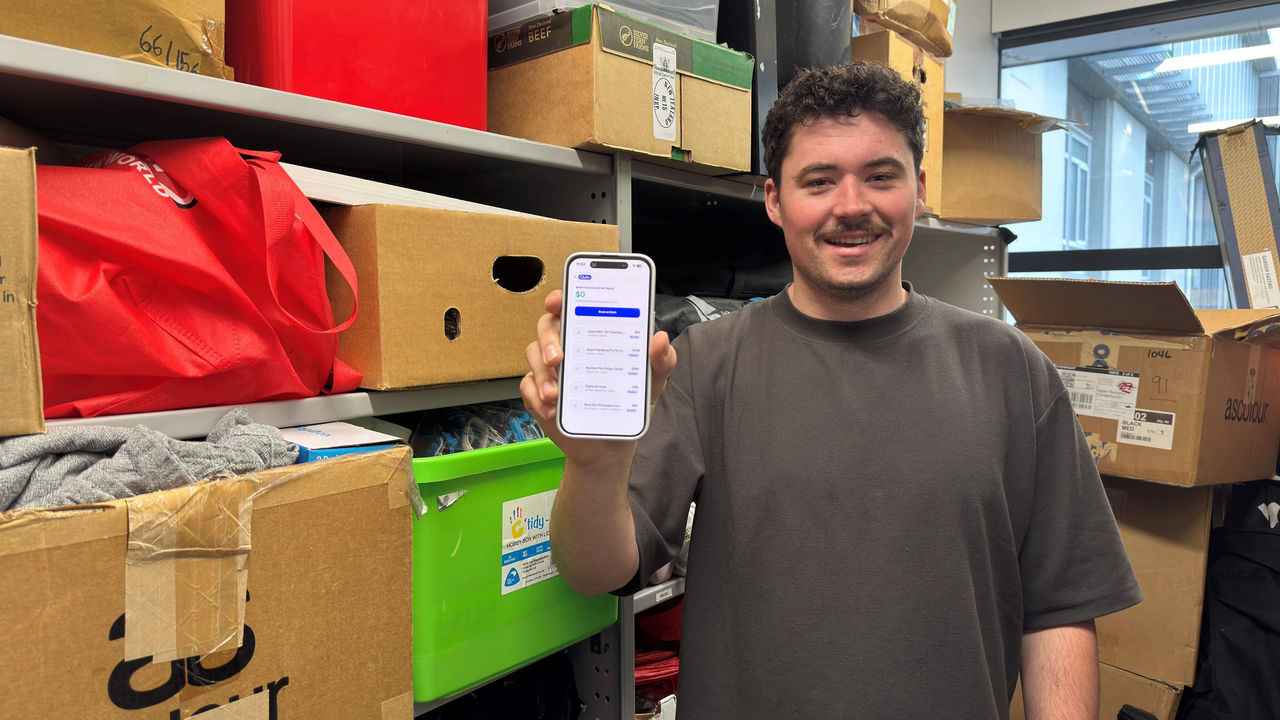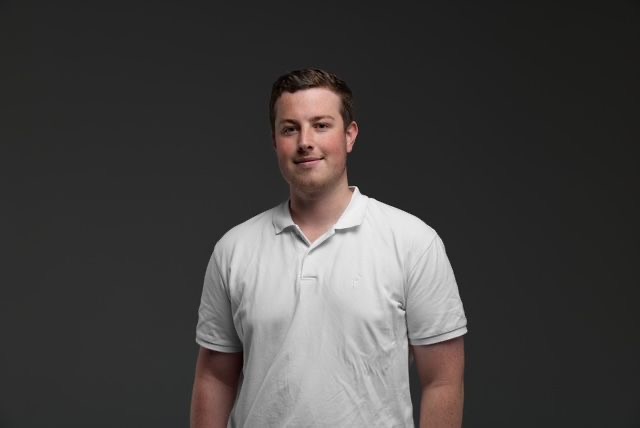
A Christchurch engineering graduate has turned the anxiety around artificial intelligence and entry-level work into a business story, with Harkness AI saying it has passed 50 paying New Zealand clients less than two years after founder Blake Harkness left university.
The company says it is bootstrapped, has taken no external investment and has generated six figures of revenue in the first five months of FY27, with monthly revenue growing more than fourfold since the start of the year.
That makes the story more than another AI announcement. For Christchurch, it is a founder-led example of a young operator building directly into a fast-changing market instead of waiting for a traditional graduate job pathway to open.
Harkness AI works with businesses on AI implementation, custom tools and staff training across sectors including construction, retail, security, tourism and technology. Named clients include Shakti Mat, Maugers Contracting, Trap and Trigger, 2Secure Security, Captivate Technology, Cohesive and the Bed & Breakfast Association of New Zealand.
The useful part of the model is its practicality. The company is not selling AI as a vague transformation slogan; it says its work includes linking AI into systems businesses already use, such as job software, email, stock systems, Shopify and Xero.
The founder's own examples show why small and mid-sized operators are paying attention. Harkness AI says it built six connectors for Shakti Mat in under four weeks and helped Maugers Contracting turn work that had previously taken hours into processes that could be reviewed far faster.
Harkness is also building beyond client work, including Young Kiwis in AI, a community of more than 350 young New Zealanders interested in AI careers. In a city that already leans on engineering, software and applied research, that community-builder role may matter as much as the client count.
The local test will be whether growth like this creates durable skills and jobs, not just faster tools. For now, Harkness has given Christchurch a live case study in how a graduate can turn disruption into a practical business rather than treating it only as a threat.