Selwyn District Council has adopted its 2026/27 Annual Plan with an average weighted rates increase of about 4.5 percent, giving fast-growing communities across Rolleston, Lincoln, Prebbleton, Darfield and the wider district a clearer view of what the next financial year will cost. The council's rates information says the increase equates to about $10.35 a week for a typical household, while warning that individual bills will vary by property value, location, services and any property changes.
The decision lands in a district that is still carrying strong growth pressure. Selwyn has been one of New Zealand's most rapidly expanding areas, and that growth brings a difficult arithmetic problem for councillors. More residents mean more demand for roads, water, wastewater, drainage, libraries, pools, parks, planning staff and community facilities. At the same time, households want rates restraint after years of inflation, mortgage pressure and higher living costs.
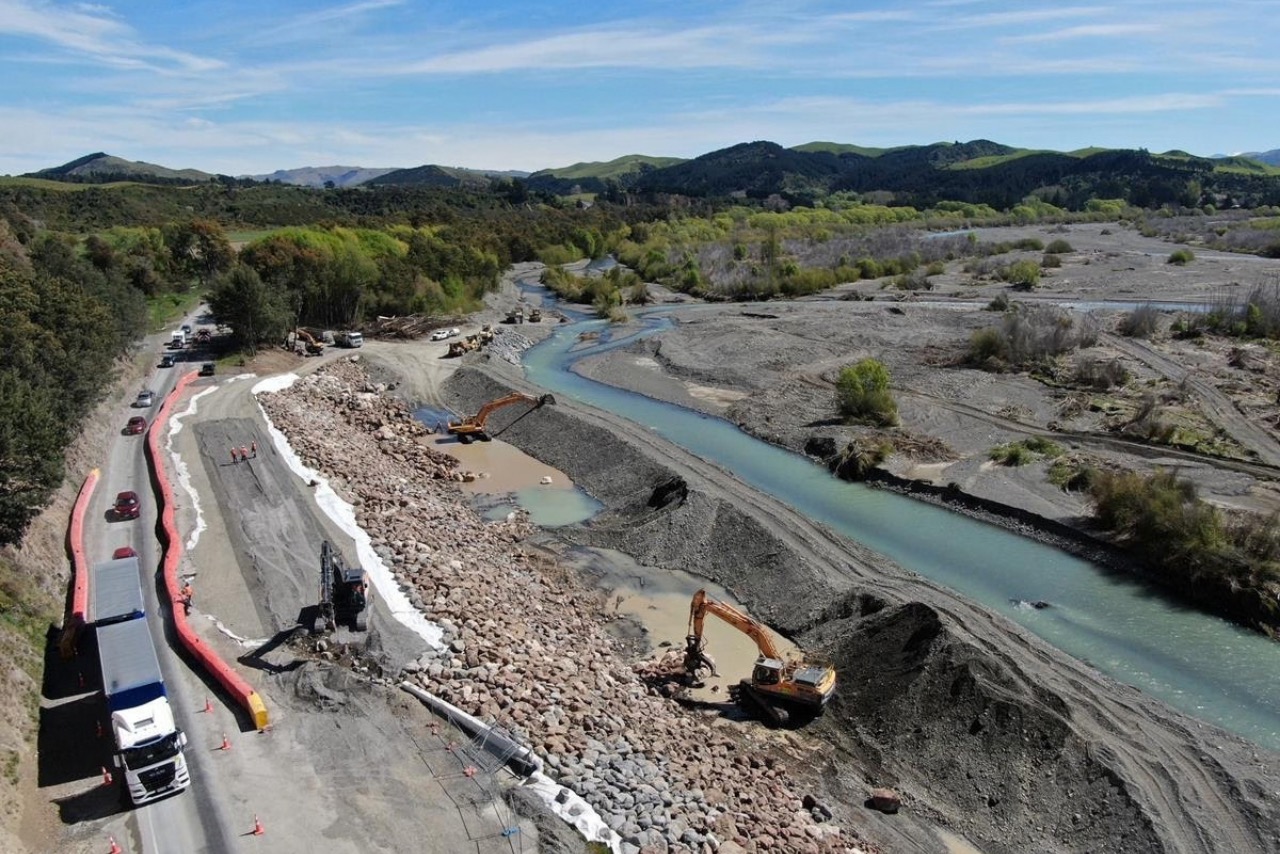
The Annual Plan includes an $86 million capital programme and continued investment in water and wastewater projects delivered through Selwyn Water. Chris Lynch Media reported that the plan also includes increased investment in land drainage and work toward an integrated stormwater plan through the Long Term Plan. Those items are not abstract council paperwork. They determine whether new and existing suburbs have the infrastructure to handle growth without passing problems to residents later through flooding, congestion, service limits or emergency repairs.
The council also approved a $100,000 grant to support Lincoln town centre businesses affected by Stage One works and $160,000 for the Sheffield Pool through the community trust once the land and pool settlement is complete. It has also moved toward more user-pays settings, including higher dog registration fees and some small increases in other fee classes. Funding for council events is being reduced, with sponsorship expected to carry more of the load.
Mayor Lydia Gliddon framed the plan around balance: keeping cost pressure in mind while still investing in required infrastructure and services. That is the core Selwyn issue. Cutting too hard can push maintenance and capacity problems into the future. Spending too freely can make rates feel disconnected from household reality. Neither path is painless, and the consultation numbers show residents are watching. The council received 964 submissions, with almost 100 people presenting views in person.
For Garden City readers, Selwyn's decision matters beyond district boundaries. Greater Christchurch housing, commuting, business sites and school rolls are increasingly connected across city and district lines. When Selwyn grows, Christchurch roads, jobs, services and families feel the effects. The 4.5 percent figure is the headline, but the bigger story is whether the district can keep building infrastructure at the pace its population requires without losing public confidence in the bill.
The political test now moves from adoption to delivery. Residents will judge the plan by what they can see: whether drainage work reduces risk, whether town-centre disruption is managed honestly, whether community facilities remain usable, and whether water and wastewater investment keeps pace with subdivision and business growth. A lower headline rates rise will only hold public value if the services behind it remain reliable.