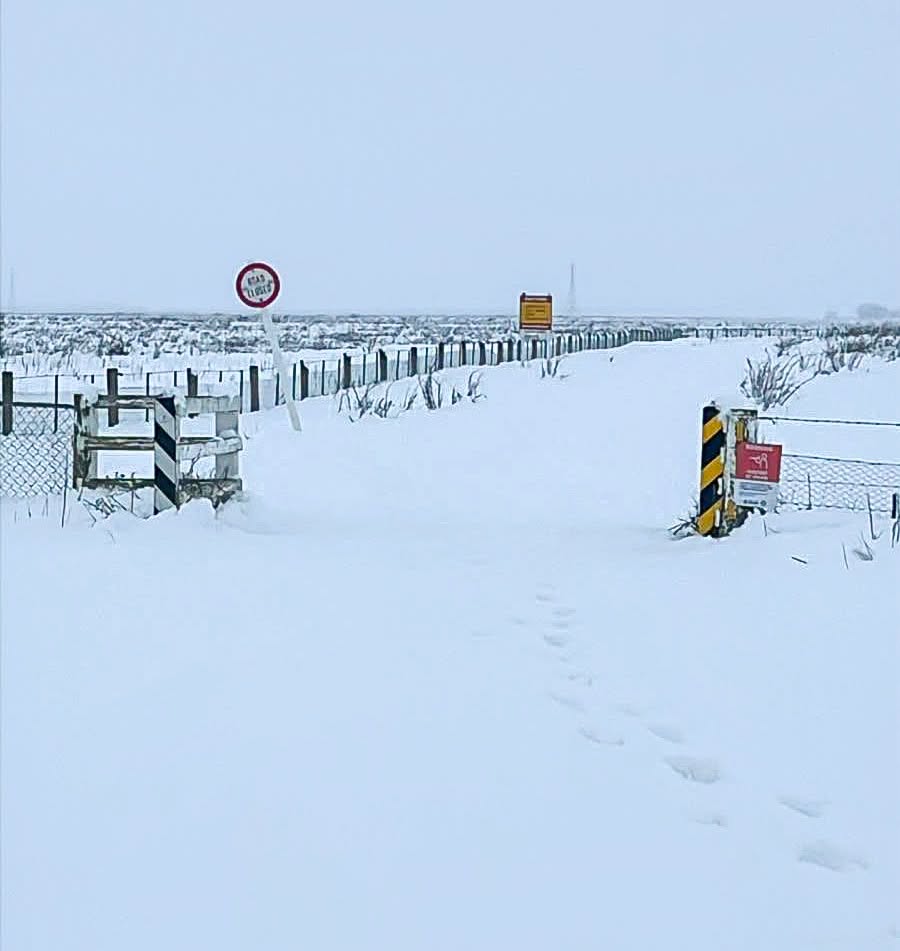
Mackenzie Pass and Hakataramea Pass were closed to all traffic on Tuesday as the severe South Island weather system spread its travel disruption beyond the Kaikōura flooding emergency and into inland Canterbury routes.
The closures make clear that Canterbury's road risk is not sitting in one place. North Canterbury is dealing with flooding, SH1 disruption and evacuations. Inland and high-country districts are dealing with snow, ice, low visibility and local-road closures. For drivers, the common thread is the same: a road that was open yesterday, or even earlier today, cannot be assumed safe tonight.
Mackenzie District Council had closed both Mackenzie Pass and Hakataramea Pass and warned drivers not to use closed roads, even if they believed their four-wheel-drive vehicles could handle the conditions. The council's message also raised a point many drivers overlook: crashing on a closed road may create insurance problems as well as rescue risk.
The district's advice was practical rather than dramatic. People were asked to avoid travelling in bad weather where possible and, if travel was unavoidable, to charge phones before leaving, carry a plastic ice scraper and keep emergency supplies in vehicles. Those supplies included blankets, gloves, hats, torches, a first aid kit, tools, snacks and drinks. In high-country conditions, those items are not accessories. They are what a short delay can turn on if a vehicle is stuck between towns, outside mobile coverage, or behind a closure point.
NZ Transport Agency Waka Kotahi's wider weather information also points to a regional travel problem rather than an isolated local inconvenience. The agency's updates through the day urged people travelling in the central South Island for school holidays or other reasons to plan ahead, watch MetService warnings and use the Journey Planner for current restrictions. That advice is especially relevant during the winter school holidays, when families may be driving between Christchurch, Tekapo, Twizel, Wanaka, Queenstown and the West Coast with fixed accommodation bookings and children in the car.
This is a fresh travel story, separate from Monday's Mackenzie Basin reopening update. On Monday, the question was whether state highways that had been closed by snow and flooding could reopen after clearance. On Tuesday, the risk shifted again as local alpine passes closed and the wider severe-weather system continued to affect decisions across Canterbury and adjoining regions.
The lesson for drivers is that an open state highway does not mean every connecting road is safe, and a closed local pass should not be treated as a challenge. Local roads often have fewer services, fewer passing motorists, less lighting and more exposure to drifting snow, washouts and ice. They can also be the routes people try when a main highway is delayed, which adds pressure to roads not suited to emergency detour traffic.
For Christchurch travellers heading inland, the useful approach is to plan like a winter alpine trip even if the city weather looks manageable. Check official conditions before leaving, then check again before entering the Mackenzie Basin or any exposed pass. Carry enough fuel or battery range for a long delay or detour. Keep warm gear inside the cabin rather than buried in the boot. Tell someone the route and expected arrival time.
The closures will be reviewed by the relevant road authorities as conditions change, but the editorial point should remain steady: Tuesday's weather is a system-wide travel event. The safest decision for many drivers may be to delay the trip, not to look for a clever route through it.