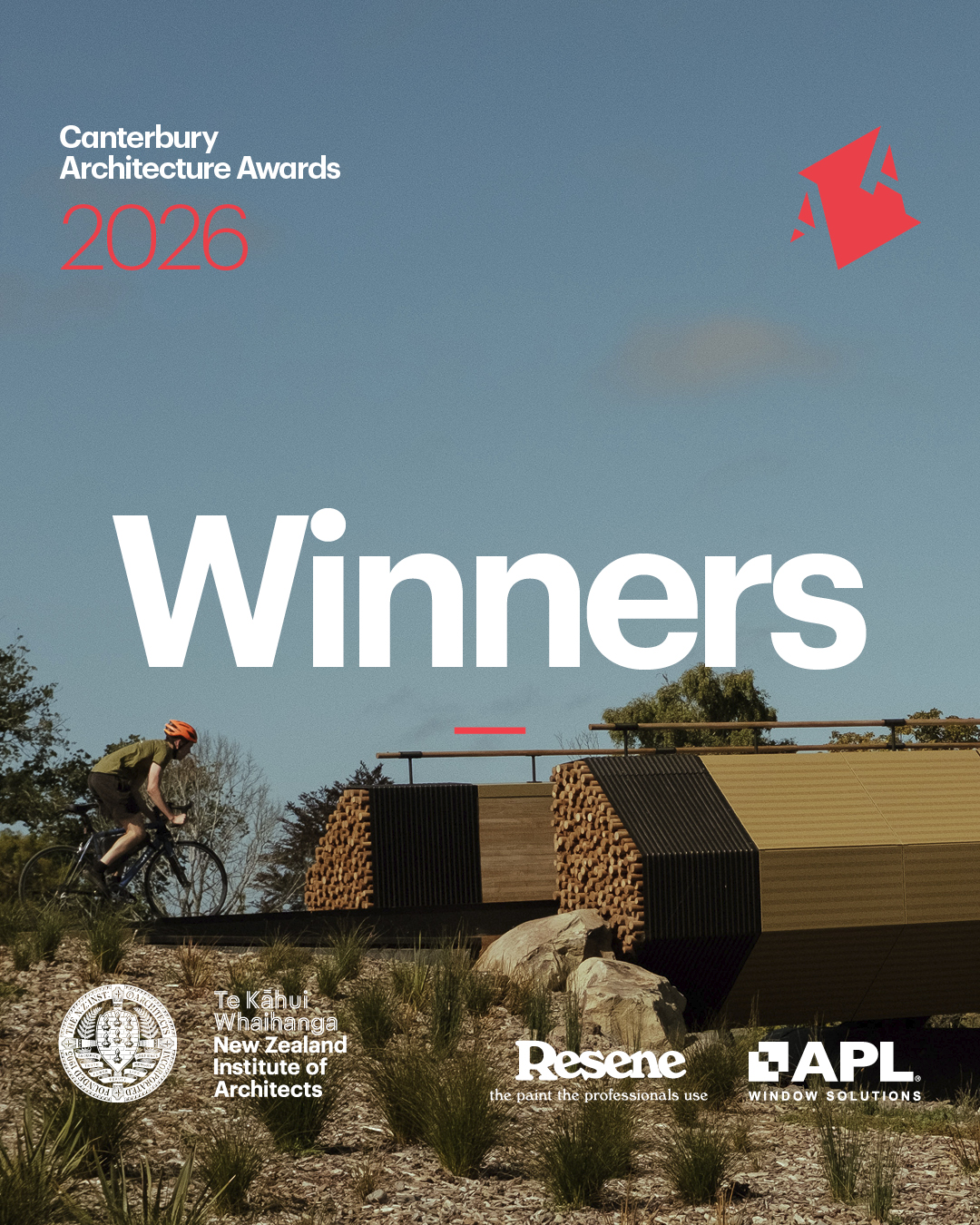
The 2026 Canterbury Architecture Awards have put a wide spread of Christchurch and regional projects into the spotlight, from major public buildings to homes, schools, offices and heritage work.
The New Zealand Institute of Architects page for the awards lists 28 winners across Canterbury. For Christchurch readers, several names stand out immediately. Public Architecture winners include Parakiore Recreation and Aquatic Centre and The Court Theatre, while heritage recognition includes Christchurch Boys' High School Main Block Restoration and Refurbishment. The housing list includes projects in Akaroa, Fendalton, Christchurch, Loburn and Governors Bay, showing that the region's strongest design work is not confined to one suburb or one kind of client.
The public-building recognition is especially timely because Christchurch has spent years watching major civic projects move from argument and construction fences into everyday use. Parakiore and The Court Theatre are not only architectural objects. They are places where residents swim, train, watch performances, gather and form habits around the central city. Architecture awards do not decide whether a building succeeds for the public, but they do provide a professional judgement on design quality, complexity and contribution.
Parakiore's recognition is significant because the facility carries unusually high expectations. It is a major recreation and aquatic centre with sporting, community and accessibility ambitions. A building of that scale must handle technical systems, movement, safety, durability and public comfort. The architectural challenge is not only making it impressive from outside, but making the daily experience work for families, athletes, staff and visitors.
The Court Theatre's inclusion is similarly important. A performing arts venue has to balance audience arrival, backstage function, acoustics, intimacy, identity and operational resilience. Christchurch's arts sector has waited a long time for central-city stability after the earthquakes. Recognition for the project signals that the new venue is being judged not merely as a replacement building, but as part of the city's cultural infrastructure.
The housing winners tell a different but equally useful story. Projects such as Beach House in Akaroa, Fendalton, Frankie's House, Hillsborough Valley House and Loburn Pavilions point to a range of settings and design responses. Housing awards can sometimes feel remote from the everyday affordability pressures facing residents, but they still influence the design conversation. Good residential architecture can test materials, orientation, density, landscape, privacy and energy performance in ways that later shape broader expectations.
Heritage recognition also matters in Christchurch because the city continues to weigh preservation against cost, safety and modern use. Christchurch Boys' High School's Main Block restoration and refurbishment being listed in the Heritage category shows the continuing importance of adapting historic buildings rather than treating heritage only as a problem to solve. The best heritage projects keep memory visible while allowing buildings to keep working.
The awards list should be read as a snapshot of professional recognition, not a full measure of public value. Residents will judge these buildings by how they age, how easy they are to use, how they serve communities and whether they justify the investment behind them. Still, the range of winners gives Canterbury a useful signal: the region's design work is active across public architecture, housing, education, heritage, interiors and urban design, and Christchurch's built environment is continuing to mature beyond the immediate rebuild era.