The strongest founder story for today's Garden City pack is not a new opening or a funding round. It is the Christchurch origin of Service Foods, a family-operated food distribution company that traces its story back to Stan and Vicki Balar buying a small grocery store after immigrating to New Zealand. In a local business landscape often dominated by closures, cost pressure and national chains, the Balar story shows what long-run scaling can look like from a Canterbury base.
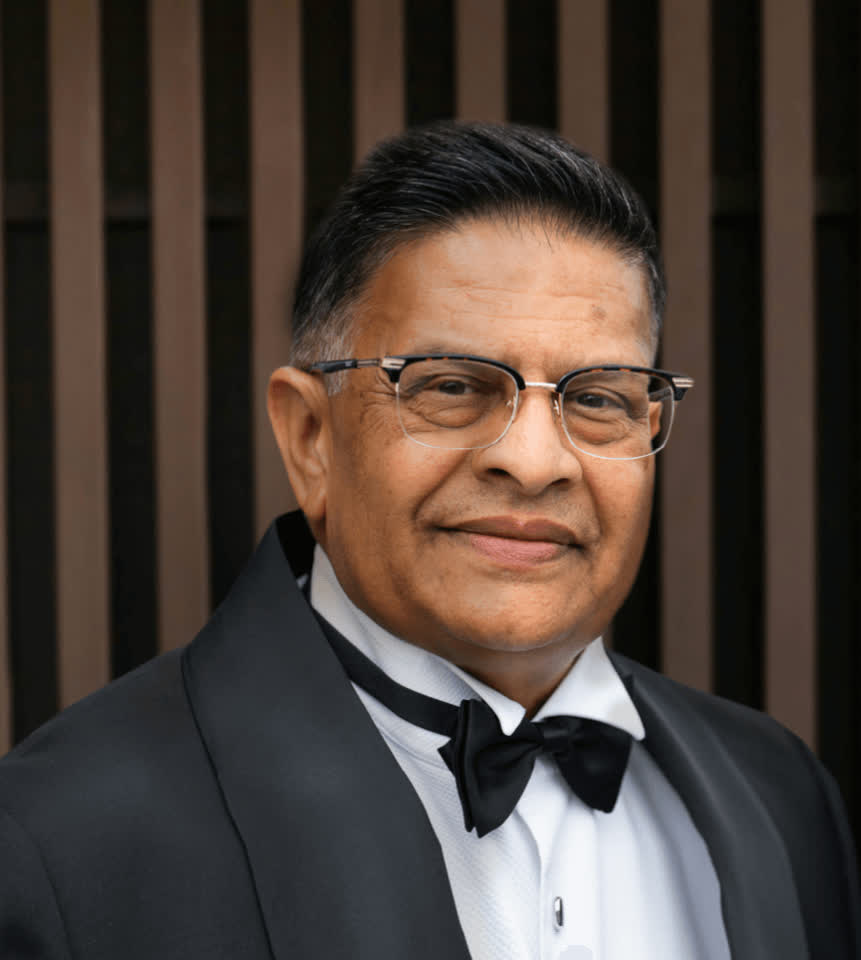
Service Foods' own history says Stan and Vicki Balar purchased a small grocery store in Christchurch in 1983, selling fresh produce to the local community. The company says that work, built on long hours and customer relationships, marked the beginning of what became Service Foods. Balar Group's history places the original store on Colombo Street and says the family later opened Balar Wholesale Supplies on Coleridge Street in 1994 after the grocery store succeeded.
The Family Business Association's recent Christchurch event listing framed the same history for other business owners. It said the Balar family transformed Service Foods from a small corner grocer into one of New Zealand's largest food distribution businesses, employing more than 800 team members, operating more than 220 trucks and maintaining 15 strategically placed branches around the country. The event was held this month at Service Foods' Christchurch facility in Woolston.
The founder lesson is not that every small shop can become a national distributor. Most will not, and many should not try. The more useful point is that the Balars appear to have expanded through adjacent needs: moving from retail to wholesale, then into broader foodservice, chilled and frozen categories, acquisitions and national distribution. That is a very different path from chasing a fashionable startup idea with no local customer base.
The official Service Foods page says the business is New Zealand-owned and family-operated, supplying fresh produce, meat, seafood, dairy and everyday essentials to chefs and kitchens. It describes local branch teams, delivery fleets and regional relationships as part of its model. That matters for Christchurch because food distribution is invisible when it works. Restaurants, cafes, schools, hospitals and caterers rely on suppliers that can deliver reliably before customers arrive at the counter.
The Balar Group profile adds the second-generation transition. Aneil Balar is managing director, while Nikul Balar is director and chief technology officer. Service Foods says Aneil joined the family business after completing a Bachelor of Commerce and that under his leadership the business grew revenue by more than 100 times through organic growth and acquisitions. Balar Group says Service Foods has grown revenue more than 200 times during his tenure, a reminder that the exact metric depends on the source and timeframe.
For Canterbury founders, the story has practical lessons. First, a business can start small and still be structurally ambitious. Second, growth often follows customer need, not branding alone. Third, succession and governance matter once a family business becomes too large for informal decision-making. The Family Business Association listing explicitly put succession, governance and non-family executive leadership on the agenda for its Christchurch session.
The Balar story is still relevant because the recent local business event brought the Christchurch origin back into current business discussion, and the company remains a major foodservice operator with deep Canterbury roots. It gives readers a founder story grounded in real local operating history rather than a generic entrepreneurship profile.