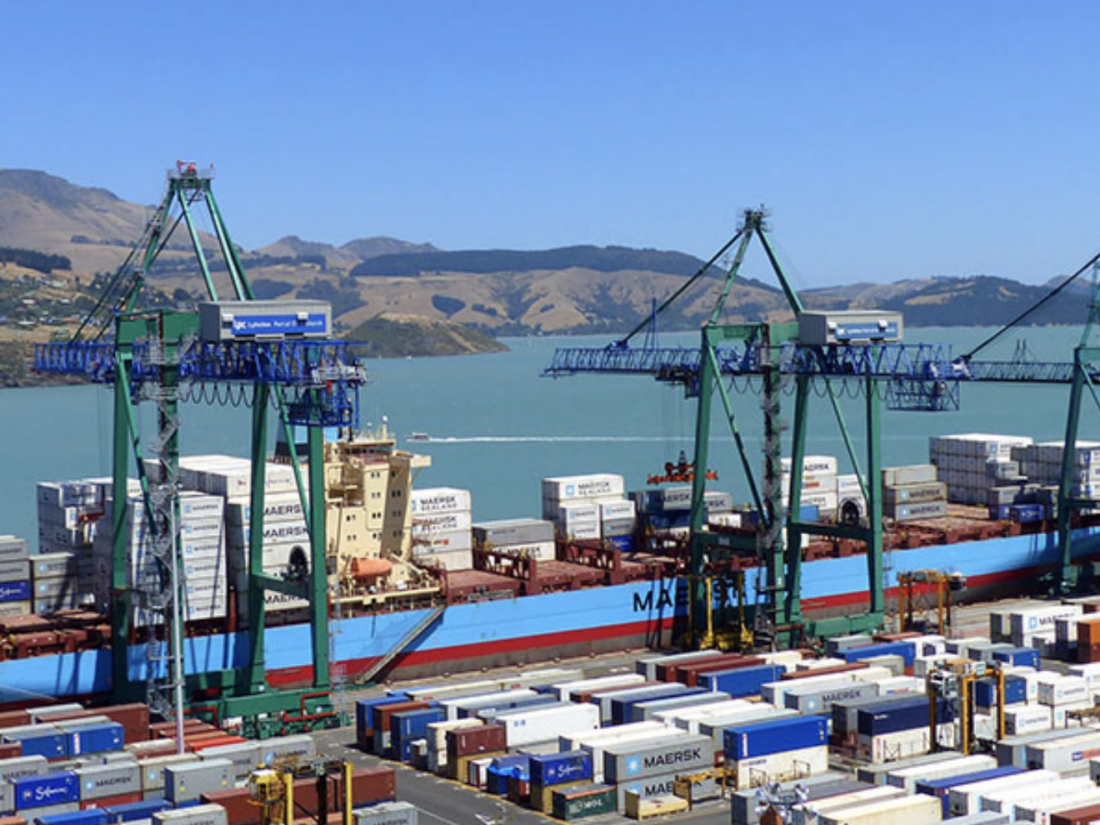
A proposal involving DP World and three Ngai Tahu runanga has put Lyttelton Port back at the centre of Christchurch's public asset debate, with port unions warning that the plan could amount to privatisation by another route. Chris Lynch Media reported on Tuesday that the International Transport Workers' Federation is backing New Zealand unions opposing the proposal, which would involve a long-term operating company connected to Dubai-based DP World.
The proposal was sent to Christchurch City Holdings Limited, the council-owned company that owns Lyttelton Port Company. TransportTalk reported last week that CCHL chief executive Matthew Slater confirmed the unsolicited proposal had been received by email on 17 June and was being reviewed. The consortium has been described as including Te Hapu o Ngati Wheke Rapaki, Ngai Tuahuriri Runanga and Te Taumutu Runanga alongside DP World. The pitch is framed by backers as a way to unlock private capital while retaining public ownership of strategic assets.
That distinction between ownership and operation is now the heart of the argument. Supporters of such structures usually point to investment, expertise and commercial capacity. Opponents ask who controls pricing, labour decisions, long-term strategy and the flow of value from an essential gateway. For Christchurch, those questions are sharper because Lyttelton is not a normal business. It is the South Island's largest port and a core route for imports, exports, freight, employment and regional resilience.
The union concern is also not only local. Chris Lynch Media reported that the Maritime Union of New Zealand and the Rail and Maritime Transport Union are opposing the proposal, and that the International Transport Workers' Federation has joined the pushback. The ITF's intervention turns the matter from a Christchurch governance issue into part of a wider global argument about port ownership, automation, labour standards and multinational operators.
The runanga role means the proposal cannot be reduced to a simple foreign company story. Local Maori entities are part of the consortium, and the port sits in a harbour with deep cultural, environmental and economic importance. A serious assessment needs to ask how local participation, public ownership, worker protections, operational control, investment need and community accountability would all be balanced in any structure that moves beyond the current public model.
For The Garden City Gazette, the practical line is that Christchurch ratepayers and port workers need clarity before any decision advances. What assets would remain publicly owned? Who would set operating priorities? How long would any licence last? What protections would apply to jobs, safety standards and pricing? What public consultation would happen before a council-owned asset changed its operating model? Until those answers are visible, the proposal will remain a high-stakes test of how Christchurch treats strategic infrastructure when outside capital comes calling.
The next step should therefore be transparency rather than speed. A proposal of this scale deserves plain public documents, clear separation between commercial confidentiality and democratic accountability, and early explanation of what council, CCHL, runanga, port workers, exporters and residents would each gain or risk. Christchurch has learned from past infrastructure arguments that uncertainty creates its own cost when people suspect decisions are being made before they understand them.