A new University of Canterbury media residency is putting a creator-led public storytelling project at the centre of a sensitive cultural issue: the private trade and ownership of taonga Maori.
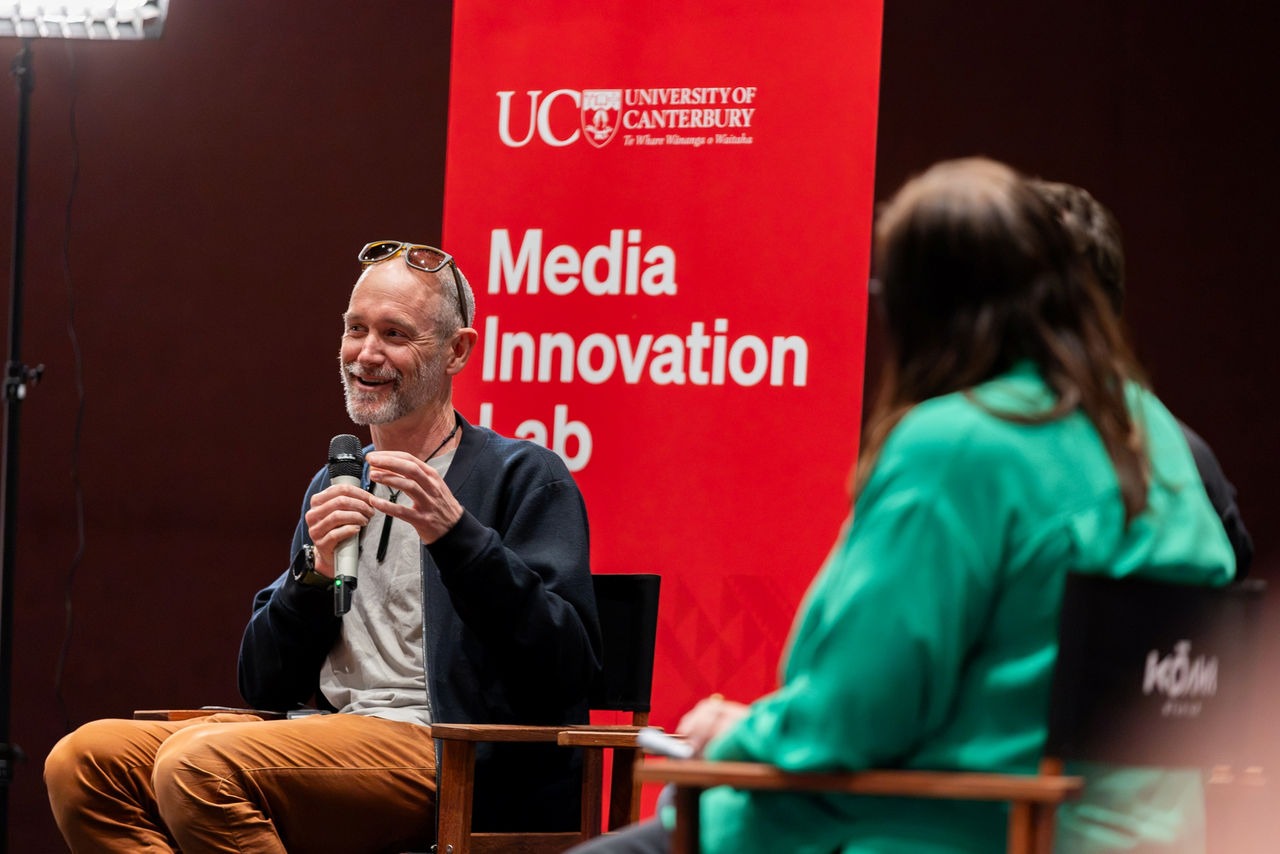
UC says author Nic Low is using his Media Innovation Lab residency to investigate stories around collectors, auction houses, archaeologists, museum professionals and iwi representatives. The university says the launch event marked a new initiative designed to support journalists and public storytelling in Aotearoa.
Low's project matters because it sits between history, culture, law, ownership and public understanding. UC's article says that until 1975, unearthed taonga could move into private hands under a finders-keepers approach, leaving important cultural heritage outside public institutions and, in some cases, outside iwi control.
The creator angle is not simply that Low has time to write. The residency gives him access to academic expertise and Digital Screen Campus facilities, which can help shape a deeper investigation than a fast daily news cycle usually allows.
The Media Innovation Lab is being supported by the Acland Foundation, with UC saying two 12-week residencies are planned each year through a $50,000 contribution. The lab's first resident, Charlie Mitchell of The Press, is developing a digital publication about Te Waihora Lake Ellesmere.
Professor Donald Matheson, one of the lab's co-creators, said the residencies are intended to help tell underreported New Zealand stories while also testing new storytelling technologies and ways of working with communities.
For Christchurch, the launch is another sign that the city's universities and media community are trying to build public-interest capacity locally. At a time when newsrooms are stretched, a residency model can give complex stories enough space to be handled carefully.