Christchurch aerospace company Pyper Vision is using artificial intelligence to tackle one of aviation's most stubborn operational problems: fog.
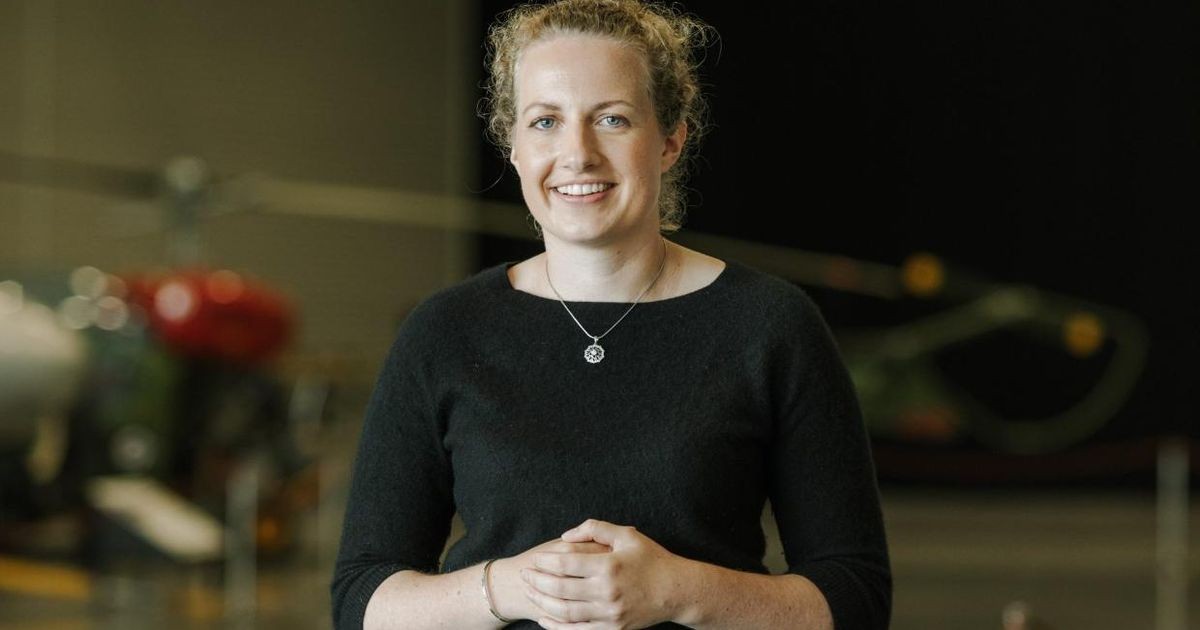
ChristchurchNZ says the company began with a plan to clear fog from airports, then pivoted toward forecasting after field testing showed gaps between scientific assumptions and how fog behaved in real operational environments. Founder Emily Blythe said the real-world results did not always match the available literature, creating a bigger opportunity in prediction.
That pivot matters for Christchurch because it shows how local aerospace capability can move beyond hardware headlines. Better fog forecasts can help airlines and airports make decisions earlier, reduce disruption and protect schedules. ChristchurchNZ says Pyper Vision has worked with organisations including Air New Zealand, London City Airport and British Airways' largest regional airline operator.
The founder story is also a city story. Blythe said the company's foundations were built in Christchurch through support from Christchurch Airport, local trial opportunities and a growing aerospace sector. She pointed to the wider community around Tawhaki National Aerospace Centre, Kea Aerospace and Dawn Aerospace as part of the environment that helped the company develop.
For a city trying to define its economic future, that network effect is important. Aerospace firms rarely grow in isolation. They need engineers, regulators, pilots, airport partners, data specialists, investors, manufacturing capability and other founders willing to share what they have learned. Blythe's comments suggest Christchurch has more of that infrastructure than outsiders may realise.
The international element is just as important. Pyper Vision's work in the United Kingdom is helping the company build credibility and case studies for future expansion into Europe and the United States freight aviation market. That is a classic challenge for a New Zealand technology firm: prove the product at home, but design the business for global customers from the beginning.
Blythe's stated commitment to keeping product development and regulatory capability based in Christchurch gives the story a practical local anchor. If the company grows offshore while keeping its technical base in the city, the benefits can show up in specialised jobs, supplier relationships and Christchurch's reputation as a place where advanced aviation technology can be built.
The immediate public-interest point is not that fog will disappear. It is that a Christchurch founder-led company has turned a hard aviation weather problem into a commercial technology pathway, and that the city's aerospace community is becoming part of how local companies win credibility far beyond Canterbury.