More than 1200 Christchurch properties were without electricity on Tuesday night as winter temperatures dropped sharply across the city. At 8.53pm on 23 June, Orion's outage map showed 1295 properties without power across St Albans, Papanui and surrounding streets. The outages were listed under three incident references, affecting 506, 713 and 76 properties, with an estimated restoration time of 10.45pm.
The numbers make the disruption more than a small street fault. A loss of power across more than a thousand properties during a mild afternoon would still be inconvenient. On a night reported at about 2 degrees, it becomes a household safety and welfare issue, particularly for older residents, families with young children, people using medical devices, and anyone relying on electric heating.
Christchurch knows winter cold well, but outages reveal how dependent many homes are on electricity for almost every comfort and basic function. Heat pumps, electric blankets, ovens, lighting, routers, phone charging, garage doors and some hot-water systems can all be affected. People who have moved away from wood burners or gas heating may have fewer fallback options than previous generations did.
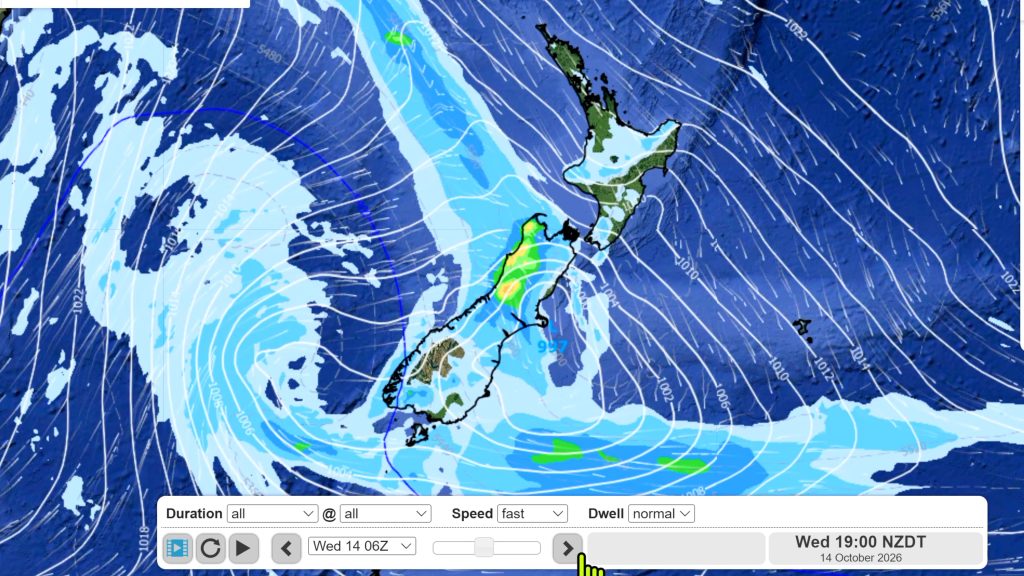
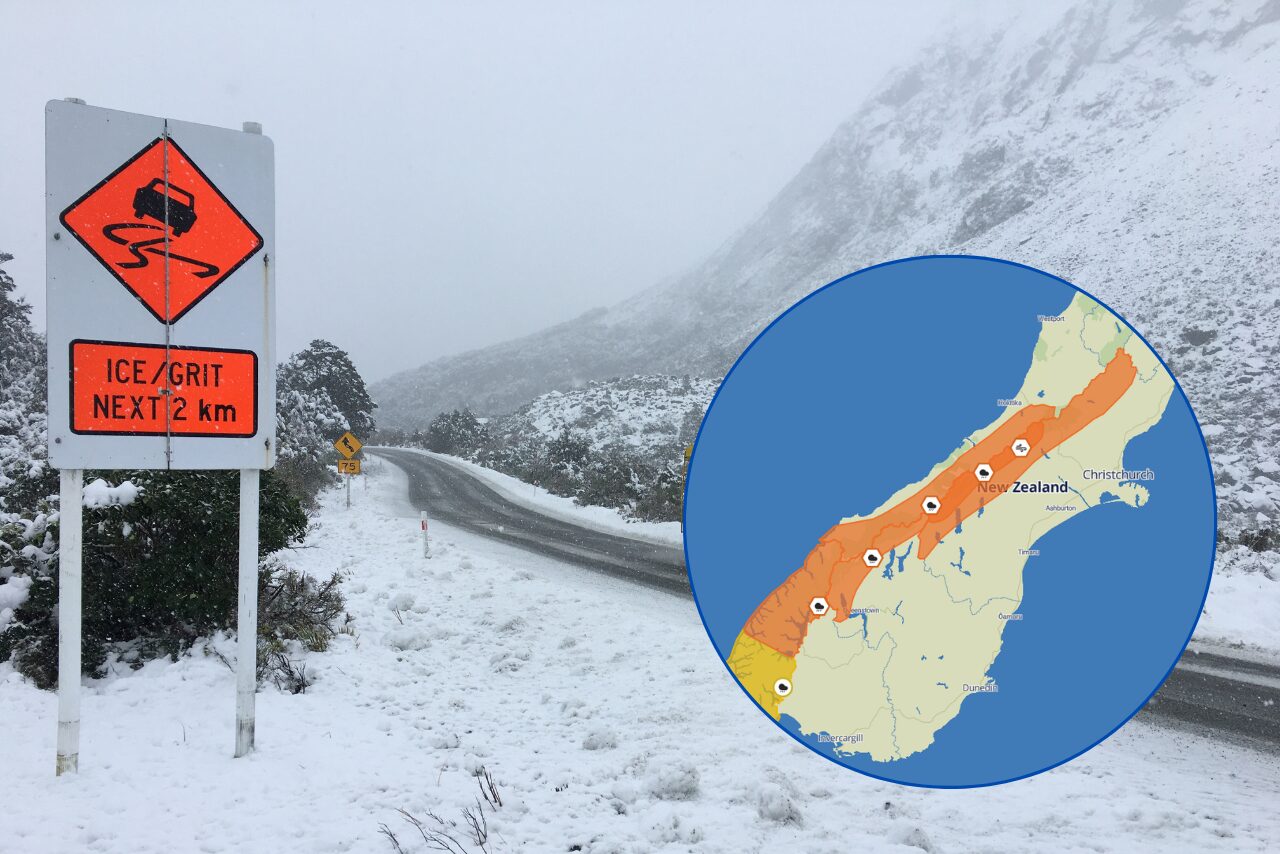
The outage also follows a period of unsettled weather and energy vulnerability across Canterbury. The city has recently dealt with unusual warm-winter fire risk, sudden cold changes, and transport warnings for ice and snow on South Island highways. A power cut on a freezing night adds another layer to the same resilience question: how prepared are ordinary households for short, sharp infrastructure disruption?
For households, the practical advice is not complicated. Keep phones charged when cold weather is forecast. Know how to open garage doors manually. Have torches and batteries somewhere obvious. Check on neighbours who may not be able to heat a room or make a hot drink. If someone relies on powered medical equipment, outage planning should be treated as essential, not optional.
For electricity providers and local authorities, the public expectation is timely communication. Residents need to know whether a fault is widespread, whether crews are working on it, and when restoration is realistically expected. Orion's outage map gave the affected numbers and estimated restoration time, which helps households make decisions. The more difficult communication challenge is explaining what caused a fault when there are multiple incident references across connected suburbs.
The outage is also a reminder that cold snaps turn technical failures into social events. A power cut is measured in incident references, properties and restoration times, but it is experienced as dark rooms, cold hands, missed meals, interrupted homework, stalled work calls and anxious checking of phones. The public impact is always wider than the engineering fault.
For The Garden City Gazette readers, the St Albans and Papanui outage should be treated as a winter readiness prompt. Christchurch does not need a major storm to expose household dependence on electricity. A few hours without power at 2 degrees is enough to show who has backup heat, who has neighbours checking in, and who is left waiting in the cold for the lights to return.