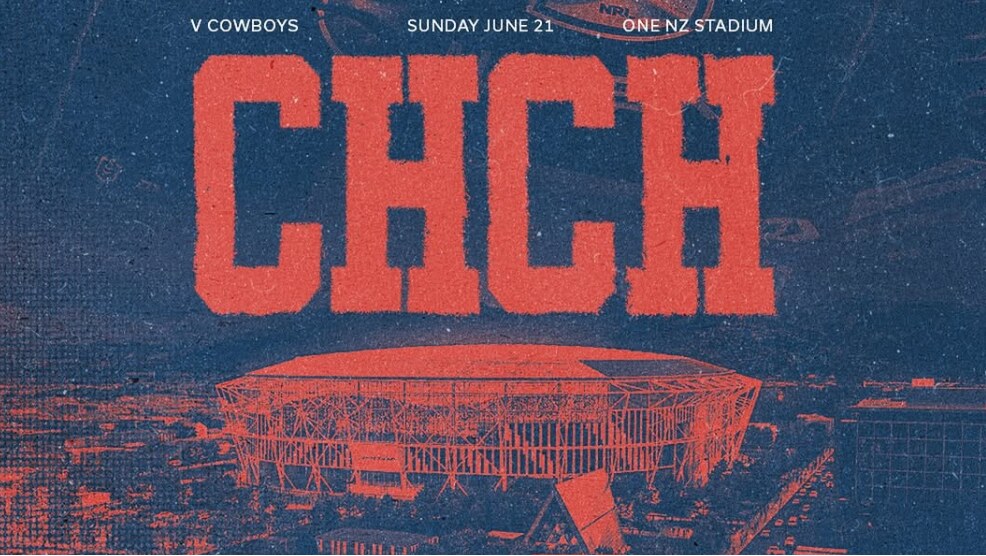
Sunday's Warriors v Cowboys match is more than another visiting fixture for Christchurch. The 21 June game is sold out and the day is framed as a triple-header, with gates opening at 10.45am, an NRLW Warriors preseason match at 11am, a NSW Cup match at 1.30pm and the Warriors v Cowboys kick-off at 4pm. The event will be one of the clearest early tests of how the new stadium precinct handles a full-day, high-demand sports crowd.
The last three Warriors games in Christchurch have sold out and anticipation for the Warriors' debut at One New Zealand Stadium is high. That gives the weekend a sports story and a city operations story at the same time. Fans want the football. Businesses want the foot traffic. Transport operators, hospitality venues, security teams and stadium staff need the day to work smoothly from late morning until after the final whistle.
Transport is central to that test. Metro will run pre-booked Event Direct shuttles from 11 pick-up areas within Christchurch to Latimer Square and Ara on Ferry Road, both a short walk from the stadium. Scheduled services at the Christchurch Bus Interchange will be limited after the event. That detail matters because the stadium is only 500 metres from the interchange, but a sold-out event can stretch normal bus services, footpaths, taxi zones and surrounding streets quickly.
Fans are being advised to plan gate entry carefully. Gates A through H are spread around Madras, Tuam, Barbadoes and Hereford streets, with ticket colour matching the designated gate colour. That kind of practical detail may sound minor, but it is exactly what keeps large crowds moving.
Separated cycle lanes run along Tuam Street with limited bike parking on Madras Street near the West Plaza entrance, and more bike parking around the city. For a central-city stadium, active transport is not a side issue. If even a modest share of fans arrive by bike, scooter, foot or shuttle, it reduces the car pressure around a precinct with no ordinary onsite parking for the wider crowd.
The Warriors have turned the game into a four-day football festival. A Tuam Street pop-up store, Warriors Community Foundation events, a Legends Lunch and player community appearances widen the economic footprint from a single match to cafes, bars, merchandise, community sport and central-city movement across the weekend.
The strongest result would be a day that feels busy but controlled. A sold-out triple-header can demonstrate why the city wanted a central stadium, but it can also expose weak points in transport, wayfinding and after-event dispersal.