A food poisoning investigation connected to University of Canterbury hall meals has found that temperature records were falsified after the fact, turning a 2024 student illness outbreak into a current food-safety accountability story. Star News, republishing RNZ reporting, said more than 160 cases of gastroenteritis symptoms were reported after a chicken souvlaki dinner at Uni Lodge Hall during exams in November 2024.
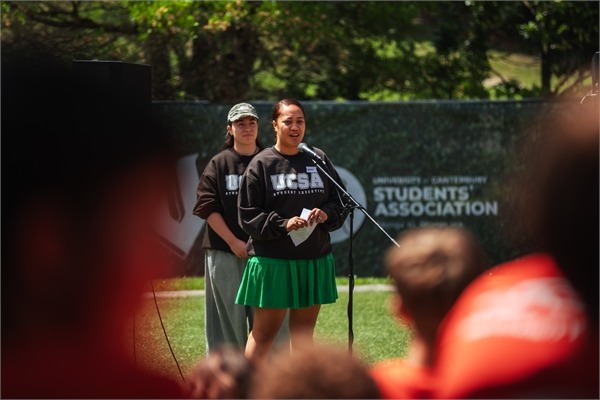
The University of Canterbury Students' Association, which was responsible for preparing meals, has admitted responsibility and is due to be sentenced in December. The report said UCSA was responsible for food for 500 halls of residence students and for a site in Edmonton where 6000 meals are prepared for schools each week. That scale is why the case matters beyond one dinner service.
Food safety inspectors found the association had not followed its food control plan, including failing to record the temperature of chicken at the required time. Handwritten temperature records for 1 to 3 November were later supplied, but inspectors found they had not been taken over the weekend and had instead been written after the fact. The investigation also found problems with hot holding, cooling and staff training records.
The reported sequence is specific. Court records showed UCSA chefs batch-cooked about 50 kilograms of chicken on 31 October 2024. Some was served that evening and the rest was blast chilled and refrigerated. Three days later, the pre-cooked chicken was prepared for souvlaki, placed on a rolling boil for three and a half hours, put into containers and served buffet style. That night, 164 students became ill with symptoms including diarrhoea, stomach pain, low fever and vomiting.
Samples from some students tested positive for Clostridium perfringens, a bacteria commonly associated with food that has been kept at unsafe temperatures for too long. A Health NZ survey found 95 percent of affected students had eaten the chicken souvlaki before becoming ill. Investigators concluded the souvlaki chicken meal served on 3 November was the cause of the outbreak.
For Christchurch's hospitality and institutional food sector, the lesson is blunt: records are not paperwork for their own sake. Temperature logs, cooling checks and internal audits exist because large-volume cooking can create risk that is invisible when food looks normal. Batch cooking for hundreds of people leaves little room for guesswork, especially when food is cooled, held and reheated across several days.
The case is also a student welfare story. Exam periods already put pressure on students' sleep, health and concentration. A food poisoning outbreak inside a hall of residence affects people who may have limited control over what they eat, where they recover and whether they can sit assessments. Institutional kitchens carry a duty that is different from a one-off private meal because residents are dependent on the system.
The confirmed public issue is system failure: unsafe food handling, missing or after-the-fact records, and a large group of students becoming ill. The pending sentencing in December will mark the legal end of the case, but the operational lesson for every large kitchen in Christchurch is already on the table.