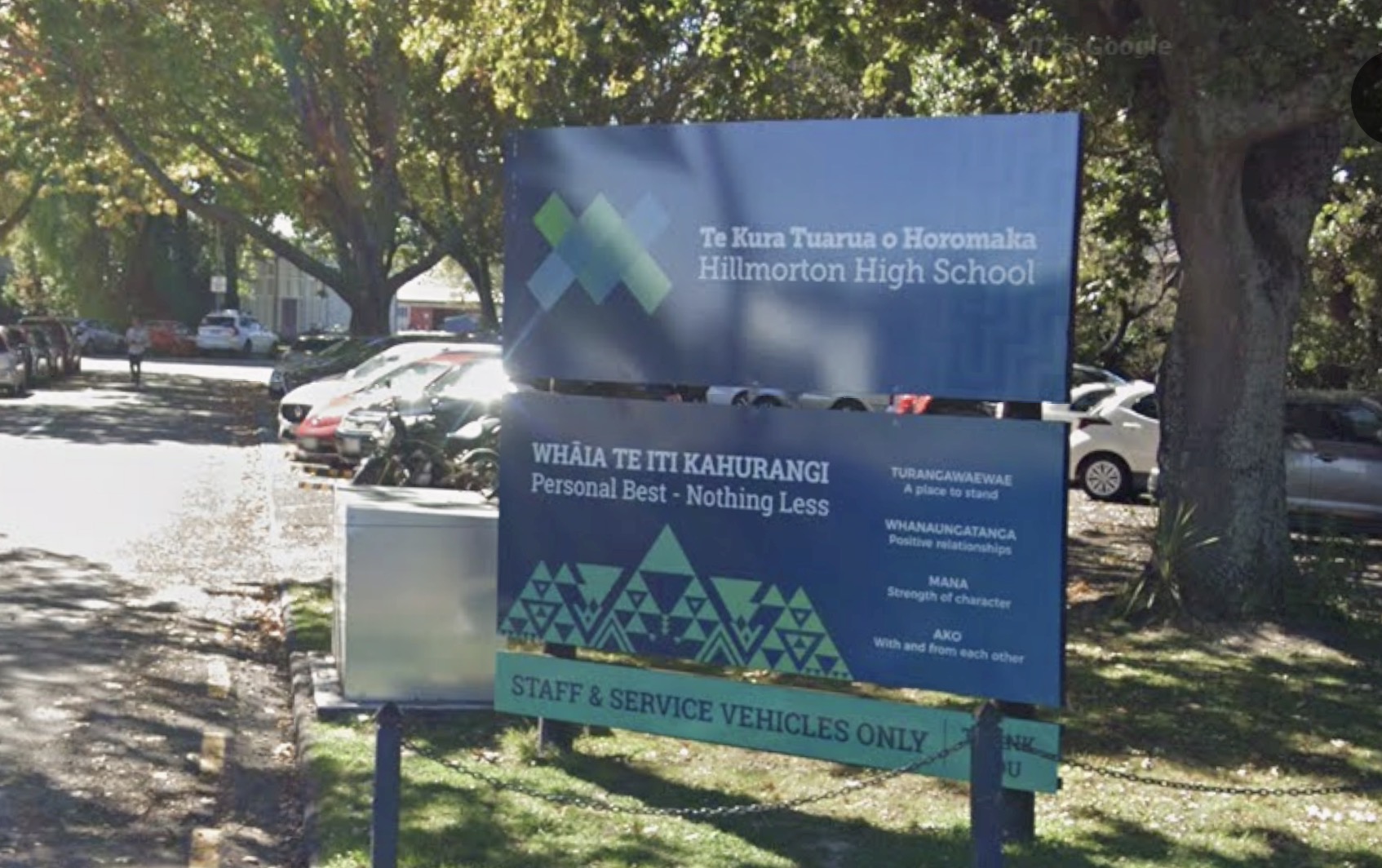
Hillmorton High School's two-day closure is a small story with a bigger lesson for every digitally dependent public service in Christchurch. Rats damaged a core fibre cable at the school, knocking out the internet and a set of key systems. Students were asked to work from home on Monday and Tuesday while contractors carried out repairs, with the school hopeful it could reopen on Wednesday.
The facts are practical and unusually clear. Principal Sam Ainsworth said staff discovered the issue on Monday morning and that the damaged fibre connection was the school's main connection. The disruption affected servers, WiFi, the phone system, wired network connections, the student management system and access to CCTV. Assessments due to take place were to be rescheduled.
That list matters because it shows why the closure was not a cosmetic technology problem. Modern schools do not use internet access only for convenience. They use networked systems for attendance, parent contact, class materials, supervision, security visibility, assessments, administration and emergency management. If those systems fail together, a school can quickly face health and safety questions, especially when large numbers of students and staff are expected on site.
The incident is also a useful reminder that resilience is often about ordinary weak points rather than dramatic threats. Schools plan for fire drills, lockdowns, weather disruption and illness. They also need to manage pests, cable routes, backup communications and manual processes. A single damaged connection can expose how much daily operation depends on one pathway. That is not a criticism of Hillmorton High School; it is the reality for many institutions that have become more digital faster than their backup systems have matured.
For families, the immediate disruption is obvious. Two days at home can affect work rosters, transport, assessments, learning routines and students who need extra support. The school's decision to reschedule assessments and give itself time to put provisions in place reflects the practical side of risk management. Reopening before basic systems are stable can create new problems, especially if phones, student records or CCTV are not reliable.
For other Christchurch schools, the value of the story is preventive. Cable pathways, server rooms, pest-control plans and backup connectivity may not attract attention until something fails. Boards and principals should be able to ask simple questions: where are our most important connections, what happens if they are damaged over a weekend, how do we contact families if the phone system and internet are down, and which functions can continue manually for one day.
The incident also sits inside a wider public conversation about school infrastructure. New classrooms and visible buildings tend to dominate attention, but the quiet systems behind daily learning are just as important. A school can have good teachers and good classrooms yet still be forced into home learning if the network layer collapses.
For The Garden City Gazette readers, Hillmorton High's closure is not just an odd rodent story. It is a local example of how physical maintenance, pest control and digital resilience now belong in the same conversation. Christchurch schools, councils, libraries, clinics and community facilities all depend on hidden connections. When those connections fail, the public sees how quickly ordinary operations can stop.